Choosing commercial refrigeration equipment is one of the most strategic decisions for any food-service business. The right unit does more than store ingredients — it affects food freshness, workflow efficiency, energy cost, and even the hygiene level of your kitchen. With the wide variety of models and specifications on the market, it’s easy to feel unsure about what to pick.
This comprehensive guide walks you through the essential factors to consider, helping you make an informed decision that supports long-term business growth.
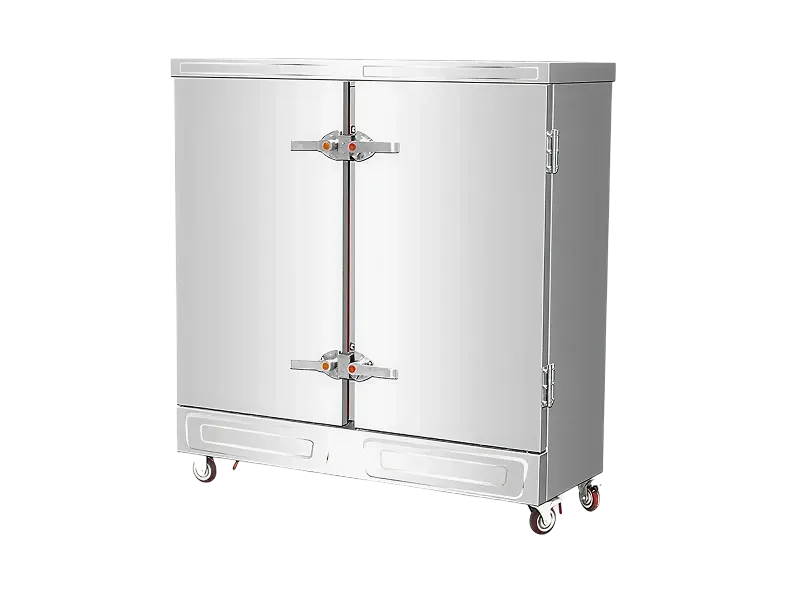
Before comparing models, take time to understand how much storage your kitchen genuinely requires.
Key considerations:
Daily and weekly ingredient turnover: How fast do you consume meat, seafood, vegetables, and prepared food?
Menu design: A steakhouse needs more freezer space, while a salad bar requires more chilled storage.
Future expansion: Choose a unit that can support a potential increase in orders or menu items.
Space limitations: Measure available kitchen space to avoid buying a unit that disrupts workflow.
A clear understanding of your usage patterns helps you select the right size and avoid underperforming equipment.
Different types serve different workflows. Selecting the proper structure ensures both efficiency and convenience.
Reach-in Refrigerators and Freezers
Best for general kitchen use. They offer:
Large capacity
Quick access to ingredients
Easy placement in prep areas
Ideal for restaurants and hotel kitchens with steady demand.
Undercounter Refrigerators
For kitchens prioritizing speed and space-saving:
Fits under worktables
Keeps essential ingredients within arm’s reach
Enhances prep station efficiency
Suitable for cafés, bakeries, and compact commercial kitchens.
Walk-in Coolers and Freezers
Designed for bulk storage:
Can accommodate large stock
Perfect for central kitchens, catering businesses, and hotels
Supports batch food preparation
If your operation requires regular storage of large quantities, a walk-in unit is the best investment.
Display Refrigerators
Ideal for businesses needing both storage and customer presentation. Ideal for:
Bakeries
Beverage shops
Convenience stores
Commercial refrigeration operates 24/7, making energy consumption a major operating expense.
What to look for:
High-efficiency compressors that reduce power demand
Thick insulation and high-quality gaskets to minimize cold air loss
LED lighting to reduce internal heat load
Eco-friendly refrigerants that meet current environmental regulations
Energy-efficient equipment lowers electricity bills and ensures stable cooling performance.
Consistent temperature regulation is crucial for food safety compliance.
Must-have features:
Digital temperature controllers
Real-time monitoring sensors
Automatic defrost systems
Fast temperature recovery after door openings
These features ensure food stays fresh and reduce the risk of bacterial growth.
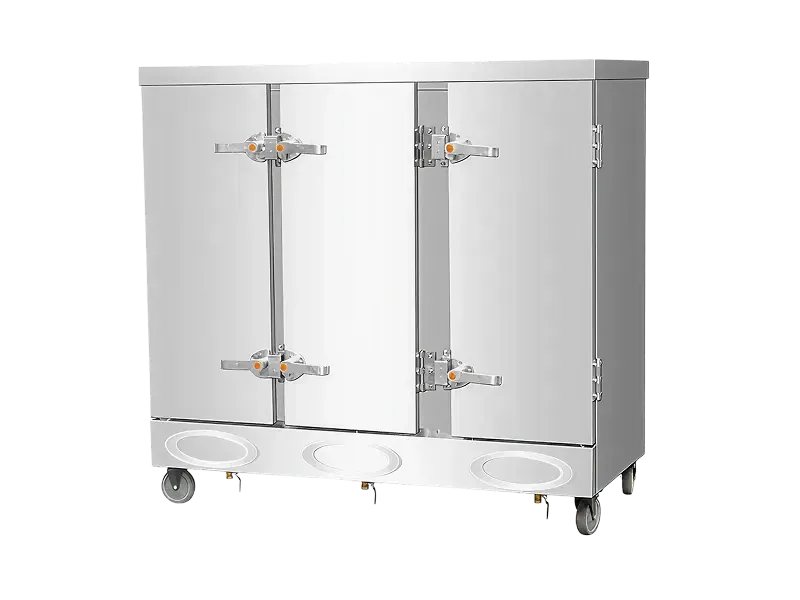
Commercial environments demand heavy-duty construction.
Preferred materials:
Stainless steel interior & exterior — durable, easy to sanitize
Food-grade shelving — high load capacity, corrosion-resistant
Reinforced hinges & doors — suitable for frequent opening/closingA well-built unit reduces maintenance downtime and extends service life.
Even the best refrigeration unit underperforms without proper installation.
Before purchasing, confirm:
Ventilation space required for heat dissipation
Compressor position (top-mounted for hot kitchens, bottom-mounted for cooler areas)
Electrical requirements to avoid overload
Drainage systems for defrost cycles
Maintenance considerations:
Check coil accessibility
Ensure filters can be easily replaced
Confirm the availability of after-sales technical support
Ease of maintenance directly affects equipment lifespan and operating stability.
Buying refrigeration equipment is a long-term investment.
Don’t only compare upfront cost. Evaluate:
Energy consumption
Service life expectancy
Frequency and cost of repairs
Warranty duration and coverage
Brand reliability in commercial applications
Sometimes, a slightly higher-priced unit delivers significantly better value over time.
Some kitchens require advanced functions:
Dual-temperature zones for mixed storage
Blast chilling/freezing for rapid cooling
Humidity control for bakery and pastry items
Remote compressor systems for noise reduction
Choosing tailored features ensures your refrigeration system aligns perfectly with your business model.
Selecting the right commercial kitchen refrigeration equipment is not a one-size-fits-all process. It requires balancing your storage needs, kitchen workflow, energy efficiency goals, food safety standards, and future expansion plans. A well-chosen unit not only keeps ingredients fresh but also boosts productivity, reduces operating costs, and supports smooth business operations.
If you’re planning to upgrade or expand your kitchen equipment, taking time to evaluate these factors will help you make a confident and profitable decision.
Maximizing Pallet Density in Cold Storage Without Compromising Airflow
2026-09-14Cold Storage Lifecycle: When to Repair vs. Replace Aging Coolers
2026-09-07Portable Cold Storage Units: Flexible Solutions for Seasonal Inventory Peaks
2026-08-317 Signs Your Cold Storage Is Wasting Energy and How to Fix Them
2026-08-24Address: China · Shandong Province · Binzhou Detailed Address
Email: tzy@tzykitchenware.com
Phone: +8618754395173

Kitchen equipment
High-performance quality kitchen equipment supplier
Innovative and durable kitchen solutions for chefs and foodservice businesses


Call / Email
+8618754395173
tzy@tzykitchenware.com
Visit Our Office
China · Shandong Province · Binzhou Detailed Address


