In commercial kitchens, pharmaceutical warehouses, food processing plants, and laboratory facilities, the industrial vertical refrigerator is more than just cold storage. It is a critical asset that directly affects product safety, compliance, and operational efficiency.
As electricity prices continue to fluctuate globally and sustainability standards become stricter, many facility managers are re-evaluating how their refrigeration systems consume energy. In 2026, improving the performance of your industrial vertical refrigerator is no longer only about keeping temperatures stable. It is about reducing operating costs, extending equipment lifespan, and strengthening environmental responsibility.
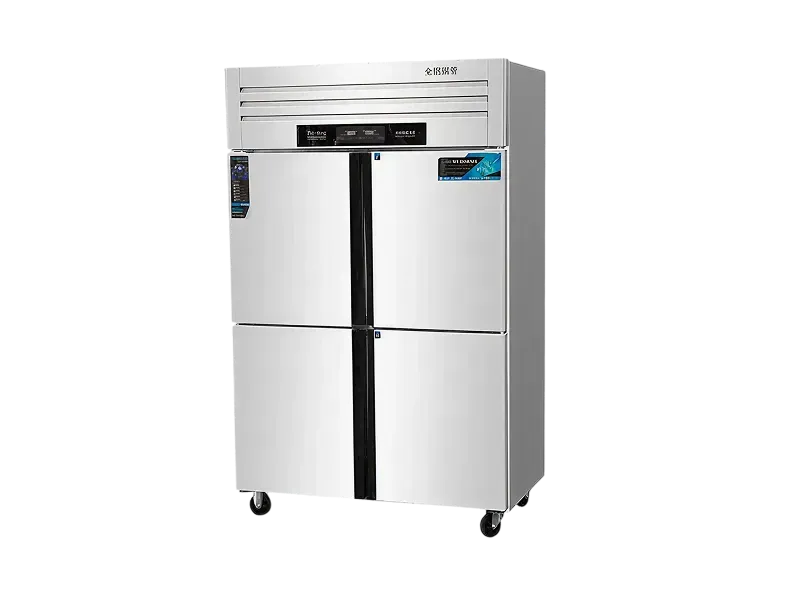
Below is a comprehensive and practical guide to help overseas businesses maximize the efficiency of their commercial vertical refrigeration systems.
Energy efficiency begins long before daily operation. It starts at the selection stage.
Choosing an oversized industrial vertical refrigerator may seem like a safe option, but excess storage volume increases unnecessary cooling demand. On the other hand, undersized units are forced to operate under constant strain, leading to higher compressor cycling and premature wear.
When evaluating new equipment in 2026, prioritize models that feature:
High-efficiency inverter compressors
Thick, high-density polyurethane insulation
Triple-layer tempered glass doors (for display models)
Intelligent temperature control modules
Low-energy fan motors
Modern industrial vertical refrigerators are increasingly equipped with adaptive cooling systems that adjust output according to internal load and ambient temperature. Selecting the correct capacity based on your daily storage volume and turnover rate will immediately reduce long-term electricity costs.
The environment around your industrial vertical refrigerator significantly influences its workload.
If the unit is placed near ovens, dishwashers, steam tables, or exposed to direct sunlight, the compressor must work harder to counteract external heat. This leads to continuous operation and elevated energy bills.
To improve performance:
Maintain at least 5–10 cm clearance around the back and sides for ventilation
Avoid installation near heat-producing equipment
Ensure adequate airflow in storage rooms
Keep condenser air pathways unobstructed
Proper positioning alone can reduce energy consumption by a measurable margin without any hardware upgrades.
Even the most advanced industrial vertical refrigerator will lose efficiency if neglected.
Dust accumulation on condenser coils restricts heat dissipation and forces the compressor to operate longer cycles. Cleaning coils every three to six months significantly improves cooling efficiency.
Door gaskets are another critical factor. A worn or cracked gasket allows cold air to escape continuously, increasing energy usage by up to 20–30 percent. Regular inspection and timely replacement protect both temperature stability and operating costs.
Additionally, automatic defrost systems should be checked regularly. Ice buildup on evaporator coils reduces airflow and creates uneven cooling zones inside the cabinet.
Preventive maintenance is not an expense; it is a cost-control strategy.
Many facilities operate their industrial vertical refrigerator at lower-than-required temperatures under the assumption that colder equals safer. In reality, excessive cooling increases compressor load without improving product quality.
Recommended operating ranges:
Fresh food storage: 35°F–38°F (1.6°C–3.3°C)
Frozen storage: 0°F to -5°F (-18°C to -20°C)
Modern industrial vertical refrigerators in 2026 often include smart control systems that monitor door openings and adjust compressor intensity accordingly. Utilizing these intelligent systems ensures stable temperature management without unnecessary power consumption.
Every time the refrigerator door opens, cold air escapes and warm air enters. The compressor must then compensate to restore internal temperature.
Operational adjustments can deliver immediate energy savings:
Organize inventory with clear labeling
Store high-turnover items at eye level
Group similar products together
Train staff to close doors promptly
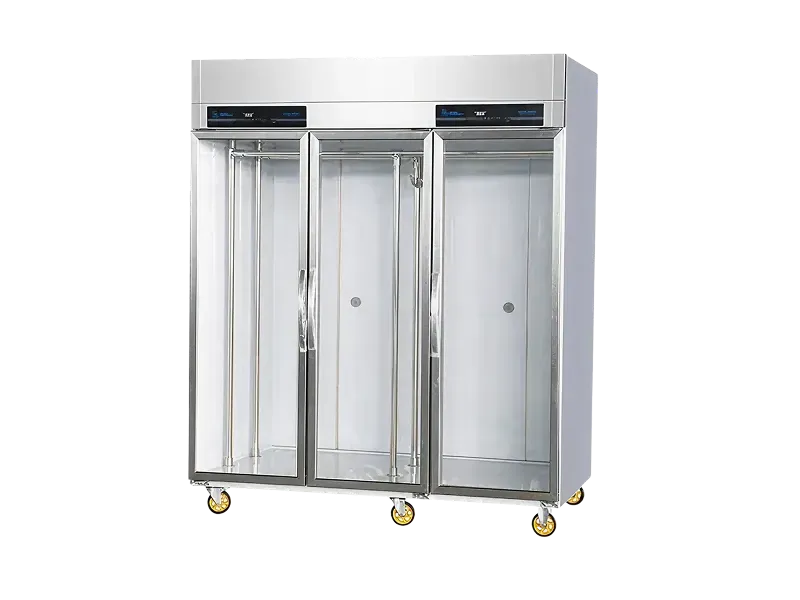
For high-traffic environments, glass-door industrial vertical refrigerators allow staff to locate items before opening the door, reducing unnecessary cooling loss.
Airflow is essential for uniform cooling. Overloading blocks ventilation channels, creating hot spots that force the system to run longer. Conversely, operating nearly empty units can increase compressor cycling frequency.
Maintain moderate loading levels and allow space between stored products to enable consistent air circulation. Some advanced industrial vertical refrigerator models now include airflow-optimized shelving systems designed to distribute cold air evenly throughout the cabinet.
Efficient storage organization directly contributes to energy stability.
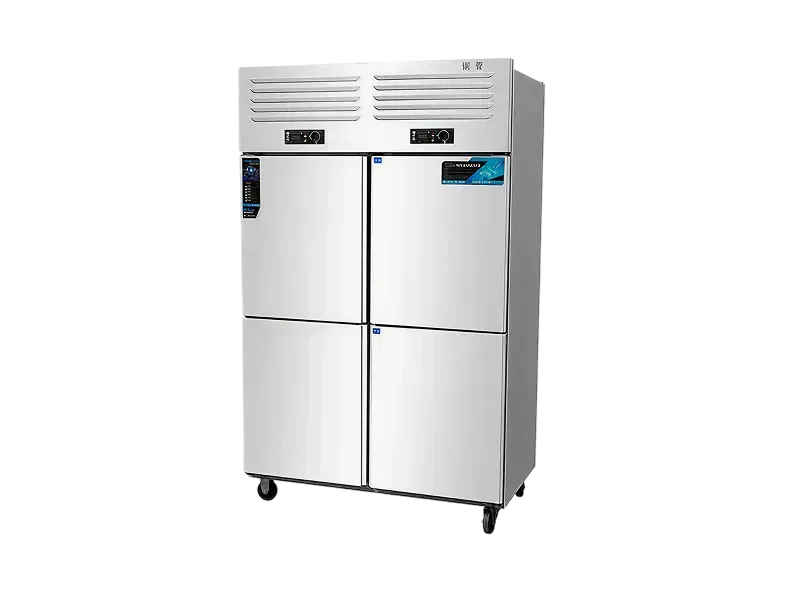
If your facility is operating older refrigeration units, retrofitting can significantly improve performance without replacing the entire system.
Common energy-saving upgrades include:
LED internal lighting to reduce heat generation
High-performance magnetic door gaskets
Variable-speed compressors
ECM fan motors
Improved insulation panels
These improvements can deliver measurable energy reductions while extending the service life of existing equipment.
In 2026, data-driven facility management is becoming standard practice.
IoT-enabled industrial vertical refrigerator systems allow managers to:
Monitor real-time energy consumption
Detect abnormal compressor cycles
Receive temperature deviation alerts
Analyze long-term performance trends
Energy audits based on actual usage data provide clear insights into inefficiencies and help quantify cost-saving initiatives.
Digital monitoring is no longer optional for large-scale commercial operations aiming for efficiency and compliance.
Reducing electricity usage in industrial vertical refrigeration does more than lower utility bills. It directly reduces greenhouse gas emissions associated with power generation.
For businesses exporting to Europe, North America, or Australia, sustainability performance increasingly influences purchasing decisions and regulatory compliance. Energy-efficient refrigeration contributes to ESG objectives and strengthens corporate responsibility positioning.
Investing in efficient industrial vertical refrigerator systems is both a financial and strategic decision.
Improving the performance of your industrial vertical refrigerator in 2026 requires more than a single upgrade. It demands a comprehensive approach that includes correct equipment selection, optimized placement, structured maintenance, and smart operational management.
Businesses that take proactive steps today will benefit from:
Lower operating expenses
Reduced equipment downtime
Extended asset lifespan
Improved environmental performance
Stronger brand credibility in global markets
Energy efficiency is no longer a secondary consideration. It is a competitive advantage in modern commercial operations.
1. How much energy can an industrial vertical refrigerator save with proper maintenance?
Regular coil cleaning, gasket replacement, and airflow management can reduce energy consumption by 10–30 percent depending on usage conditions.
2. Are inverter compressors worth the investment in commercial refrigeration?
Yes. Variable-speed compressors adjust output according to cooling demand, reducing unnecessary energy spikes and extending equipment lifespan.
3. How often should condenser coils be cleaned?
For most commercial environments, cleaning every three to six months is recommended. High-dust environments may require more frequent maintenance.
4. Does upgrading to LED lighting really make a difference?
LED lighting generates less internal heat, which reduces compressor workload and lowers overall energy consumption.
Looking for a High-Efficiency Industrial Vertical Refrigerator?
If you are planning to upgrade or expand your commercial cold storage capacity, selecting a reliable and energy-optimized industrial vertical refrigerator can dramatically reduce operational costs.
Contact our team today to explore customized refrigeration solutions designed for overseas markets and built to meet modern efficiency standards.
Maximizing Pallet Density in Cold Storage Without Compromising Airflow
2026-09-14Cold Storage Lifecycle: When to Repair vs. Replace Aging Coolers
2026-09-07Portable Cold Storage Units: Flexible Solutions for Seasonal Inventory Peaks
2026-08-317 Signs Your Cold Storage Is Wasting Energy and How to Fix Them
2026-08-24Address: China · Shandong Province · Binzhou Detailed Address
Email: tzy@tzykitchenware.com
Phone: +8618754395173

Kitchen equipment
High-performance quality kitchen equipment supplier
Innovative and durable kitchen solutions for chefs and foodservice businesses


Call / Email
+8618754395173
tzy@tzykitchenware.com
Visit Our Office
China · Shandong Province · Binzhou Detailed Address


