In the high-stakes environment of professional kitchens, supermarkets, and cold-chain logistics, a commercial refrigerator is not just an appliance—it is the silent guardian of your inventory and the heartbeat of your daily operations. When a unit fails, the clock starts ticking against your bottom line. From immediate food spoilage to the long-term erosion of energy efficiency, the costs of refrigeration neglect are staggering.
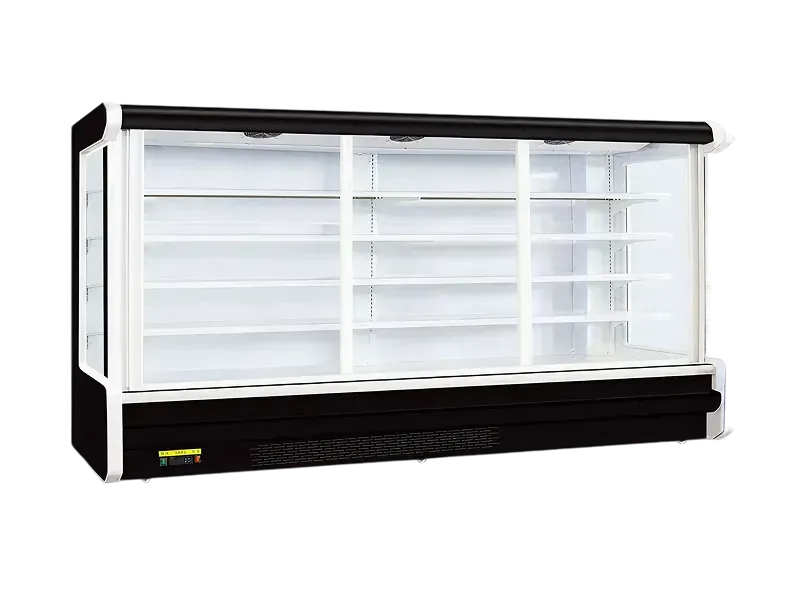
1. The Invisible Profit Killer: Inadequate Cooling Performance
When your internal temperature starts creeping into the "Danger Zone" (above 40°F/4°C), your business risks more than just health department fines; it risks its reputation.
The Condenser Coil Crisis: Think of the condenser as the "lungs" of your fridge. In a busy kitchen, these coils quickly become choked with flour, grease, and dust. A clogged coil can increase energy consumption by up to 30%.
Expert Fix: Don't just wipe them; use a dedicated coil brush and vacuum every 90 days.
The Silent Leak: Refrigerant doesn't "wear out." If levels are low, you have a leak. This is a chemical hazard and a mechanical strain.
Pro Tip: Look for oily residue around joints—this often indicates the precise location of a Freon leak.
Gasket Integrity: A 1mm gap in a door seal is equivalent to leaving a window open in winter.
The Paper Test: Close the door on a piece of paper; if it slides out easily, your gasket is failing and your compressor is overworking to compensate.
2. Deciphering the "Language" of Mechanical Noise
A quiet kitchen is a healthy kitchen. When your refrigeration unit starts "talking," it’s usually a warning of an impending—and expensive—breakdown.
Rattling and Vibrations: Often caused by loose fan brackets or thermal expansion in the housing. Left unchecked, vibration leads to metal fatigue and refrigerant line fractures.
The Squealing "Death Knell": High-pitched squealing usually points to the bearing of the evaporator fan motor. Replacing a $50 motor today prevents a $1,000 compressor burnout tomorrow.
Clicking Sounds: This is often the start capacitor or relay trying to kick-start the compressor. If you hear rhythmic clicking without the hum of the cooling cycle, shut the power off immediately to save the motor.
3. The Frost Cycle: Why Ice is Your Enemy
It seems counterintuitive, but excessive ice is a sign that your refrigerator is failing to stay cold.
Airflow Obstruction: Many staff members overstuff units, blocking the air vents. This prevents the "warm" air from reaching the evaporator, leading to localized freezing and a complete system "freeze-up."
Defrost Timer Failures: In commercial units, the defrost heater must activate several times a day. If the timer sticks, the ice becomes a solid block, acting as an insulator that traps heat inside the cabinet.
The Humidity Factor: In humid climates, frequent door openings introduce moist air that flashes into frost. Consider installing PVC strip curtains to create a thermal barrier.
4. Water Management: Drainage and Hygiene
A puddle on the floor is a slip-and-fall liability and a breeding ground for mold (a major health code violation).
The Biofilm Blockage: In the moist environment of a drain line, "slime" or biofilm can grow, eventually plugging the 1/2-inch lines.
Maintenance Secret: Periodically flush the drain lines with a mixture of warm water and a specialized pan treatment tablet to prevent algae growth.
Pitch and Leveling: Most commercial units are designed with a slight tilt toward the drain. If your floor has settled or the unit was moved, water will pool in the corners, leading to premature rust and odors.
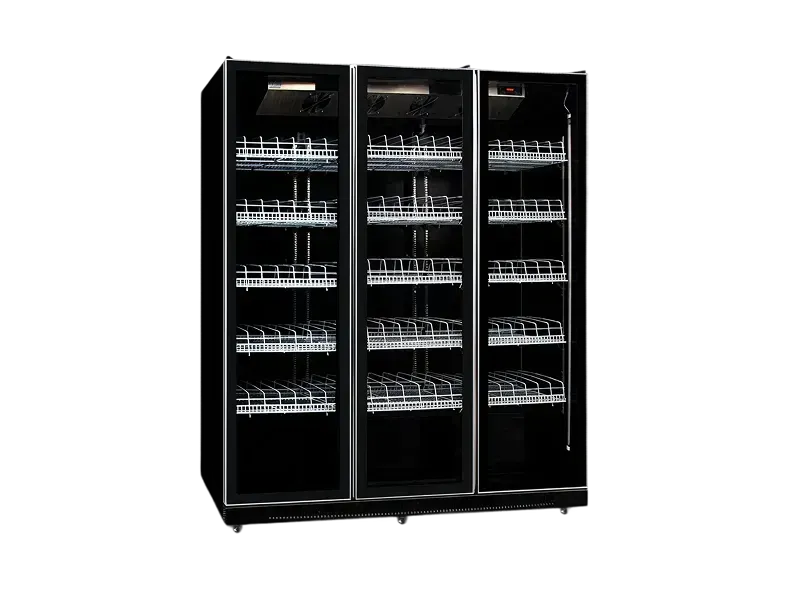
5. Electrical Stability and the Modern Control Board
Modern units are more efficient because of "smart" controllers, but they are also more sensitive to power fluctuations.
Brownouts and Surges: Commercial kitchens have high-amperage equipment (ovens, mixers) that can cause voltage drops. Ensure your refrigeration is on a dedicated circuit.
The Control Board "Ghost": If your digital display is flickering or showing "Er" codes, it may not be a mechanical failure but a logic error. Sometimes, a hard power reset (10 minutes unplugged) can recalibrate the sensors.
Professional maintenance isn't a cost; it's an investment in Equipment Life Extension (ELE).
Daily Checklist: Check temperature logs twice daily. Wipe door gaskets.
Monthly Checklist: Inspect coils and clear any debris from the base of the unit.
Quarterly Professional Audit: Have a certified HVAC-R technician check refrigerant pressures, tighten electrical terminals, and calibrate thermostats.
A commercial refrigerator is a complex ecosystem of thermodynamics and mechanics. While the troubleshooting steps above can solve 70% of common issues, the secret to a decade-long equipment lifespan lies in proactive vigilance. Don't wait for the alarm to sound; by the time you hear it, the damage—to your food, your wallet, and your brand—may already be done.
Is your cooling system underperforming?
Don't let a minor glitch turn into a total shutdown. [Browse our latest high-efficiency Refrigeration Series] or [Contact our Technical Support Team] today for a customized maintenance plan that keeps your business running at peak performance.
Maximizing Pallet Density in Cold Storage Without Compromising Airflow
2026-09-14Cold Storage Lifecycle: When to Repair vs. Replace Aging Coolers
2026-09-07Portable Cold Storage Units: Flexible Solutions for Seasonal Inventory Peaks
2026-08-317 Signs Your Cold Storage Is Wasting Energy and How to Fix Them
2026-08-24Address: China · Shandong Province · Binzhou Detailed Address
Email: tzy@tzykitchenware.com
Phone: +8618754395173

Kitchen equipment
High-performance quality kitchen equipment supplier
Innovative and durable kitchen solutions for chefs and foodservice businesses


Call / Email
+8618754395173
tzy@tzykitchenware.com
Visit Our Office
China · Shandong Province · Binzhou Detailed Address


