In commercial kitchens, supermarkets, and cold storage facilities, refrigeration equipment operates almost non-stop. While most operators pay attention to temperature settings and routine inspections, one critical maintenance task is often overlooked: cleaning the condenser coils. Neglecting this simple procedure can gradually lead to reduced cooling efficiency, higher energy bills, and eventually, compressor failure—the most expensive component to replace in any refrigeration system.
This article explains not only how to clean commercial refrigerator coils, but also why it matters, how often it should be done, and what mistakes to avoid, based on real operational experience and industry best practices.
The condenser coil plays a key role in heat exchange. It releases the heat absorbed from inside the refrigerator into the surrounding environment. However, in commercial environments—especially kitchens, bakeries, and food processing plants—these coils quickly accumulate dust, grease, flour particles, and airborne debris.
When coils become dirty, several problems occur:
Heat cannot dissipate effectively
The refrigeration system runs longer cycles
Internal pressure increases
The compressor works harder than designed
Over time, this continuous overload leads to overheating, lubrication breakdown, and ultimately compressor burnout. In many real-world cases, compressor failures are not due to manufacturing defects but long-term neglect of coil maintenance.
Before a major failure happens, your equipment often shows warning signs. Paying attention to these signals can save significant repair costs:
The refrigerator struggles to maintain set temperature
Noticeable increase in electricity consumption
The compressor runs continuously without cycling off
External surfaces feel unusually hot
Excessive noise or vibration from the unit
If any of these symptoms appear, coil inspection should be your first step—not compressor replacement.
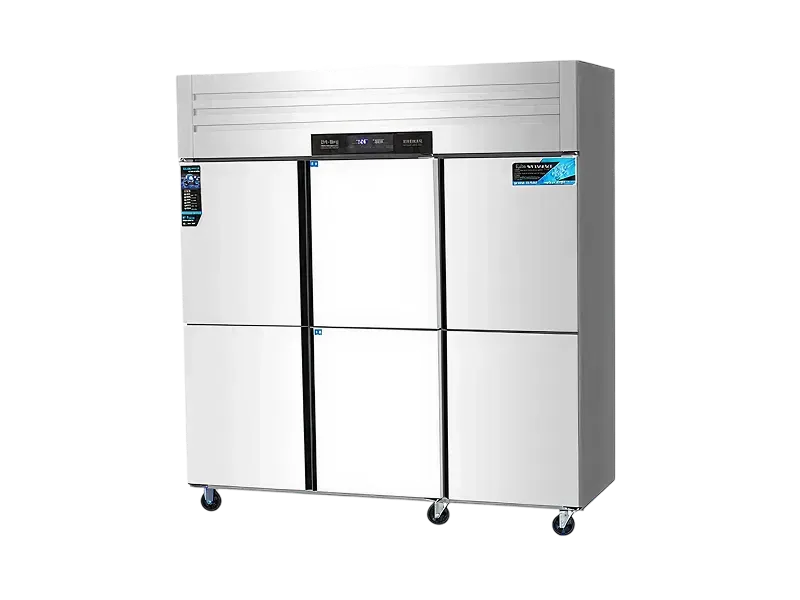
Proper cleaning does not require highly specialized skills, but it must be done carefully to avoid damage.
1. Turn Off and Disconnect Power
Always disconnect the unit from the power source before starting. This ensures safety and prevents electrical damage.
2. Locate the Coils
Depending on the model, condenser coils are typically located at the rear or beneath the unit. In some commercial freezers, access panels must be removed.
3. Remove Surface Debris
Use a soft brush or coil cleaning brush to gently remove loose dust and dirt. Avoid using hard tools that could bend the fins.
4. Apply Coil Cleaner
Use a non-corrosive, food-safe coil cleaning solution. Spray evenly and allow it to penetrate grease and grime. For heavily contaminated coils, a foaming cleaner works best.
5. Rinse or Wipe Down
If the equipment design allows, lightly rinse with water. In tight spaces, wipe with a damp cloth instead. Ensure no excess moisture reaches electrical components.
6. Dry and Reassemble
Allow the coils to dry completely before reconnecting power. Reinstall any removed panels securely.
Cleaning frequency depends on the operating environment:
High-grease environments (restaurants, fast food kitchens): every 1–2 months
Dusty environments (warehouses, bakeries): every 2–3 months
Standard retail or office use: every 3–6 months
Regular maintenance schedules significantly reduce the risk of compressor overload and extend equipment lifespan.
Even when cleaning is performed, improper methods can cause damage or reduce effectiveness:
Using high-pressure water, which can bend coil fins
Applying harsh chemical cleaners that corrode metal surfaces
Ignoring surrounding airflow obstructions
Cleaning too infrequently or only after problems appear
Preventive maintenance is always more cost-effective than reactive repair.
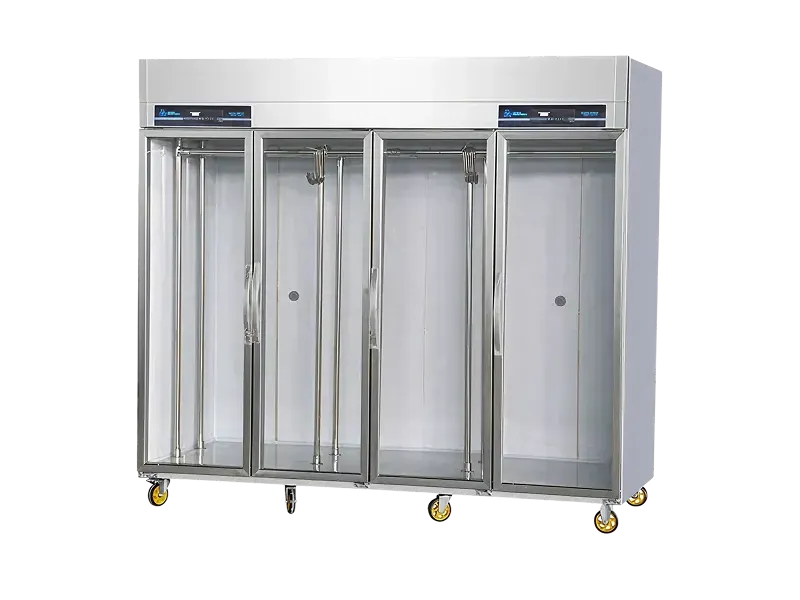
Cleaning coils is essential, but it should be part of a broader maintenance strategy:
Ensure adequate ventilation space around the unit
Regularly inspect condenser fans for proper operation
Keep door seals intact to reduce cooling load
Avoid overloading the refrigerator with warm products
These small operational adjustments can significantly reduce compressor stress.
In commercial refrigeration systems, compressor failure is often not sudden—it is the result of gradual inefficiency and overheating, frequently caused by dirty condenser coils. By implementing a consistent cleaning routine and understanding how your equipment operates, you can prevent costly breakdowns, reduce energy consumption, and ensure reliable performance.
For businesses that rely on refrigeration 24/7, coil cleaning is not just maintenance—it is a critical investment in operational stability and long-term cost control.
Maximizing Pallet Density in Cold Storage Without Compromising Airflow
2026-09-14Cold Storage Lifecycle: When to Repair vs. Replace Aging Coolers
2026-09-07Portable Cold Storage Units: Flexible Solutions for Seasonal Inventory Peaks
2026-08-317 Signs Your Cold Storage Is Wasting Energy and How to Fix Them
2026-08-24Address: China · Shandong Province · Binzhou Detailed Address
Email: tzy@tzykitchenware.com
Phone: +8618754395173

Kitchen equipment
High-performance quality kitchen equipment supplier
Innovative and durable kitchen solutions for chefs and foodservice businesses


Call / Email
+8618754395173
tzy@tzykitchenware.com
Visit Our Office
China · Shandong Province · Binzhou Detailed Address


