Choosing the right refrigerator is essential for both households and businesses, but the differences between commercial and residential horizontal refrigerators are often overlooked. Understanding these distinctions is crucial for ensuring proper storage, energy efficiency, and long-term reliability. This article explores the key differences between commercial and residential horizontal refrigerators, guiding buyers in making informed decisions.
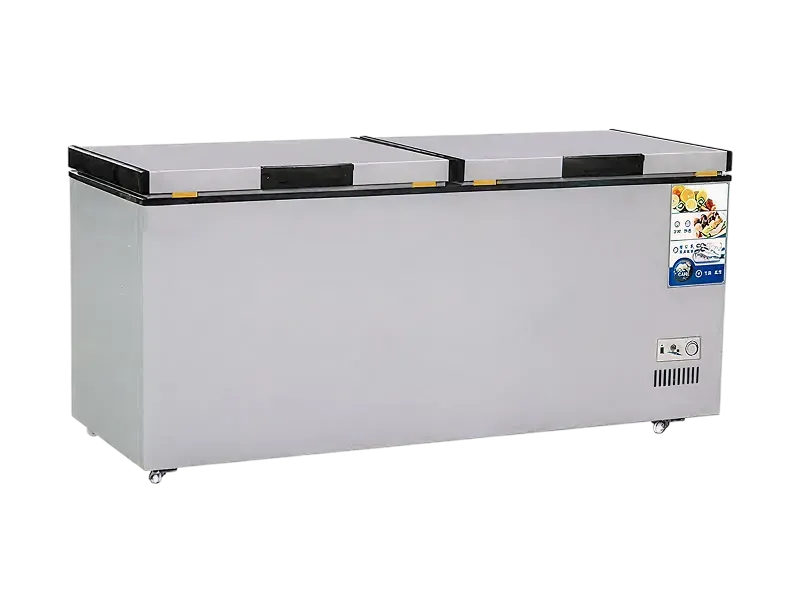
Commercial horizontal refrigerators are built for heavy-duty use. They typically feature stainless steel exteriors and interiors, which provide durability, corrosion resistance, and ease of cleaning. In contrast, residential horizontal refrigerators often use a combination of plastic, aluminum, or coated metal, focusing more on aesthetic appeal rather than industrial strength. The robust construction of commercial units allows them to withstand frequent opening and closing, high-volume storage, and the demands of a fast-paced environment, such as restaurants, supermarkets, or hotels.
Cooling efficiency is one of the most significant differences between commercial and residential horizontal refrigerators. Commercial units are equipped with powerful compressors and advanced refrigeration systems that maintain consistent low temperatures, even under heavy load or high ambient heat. These refrigerators can quickly restore the set temperature after the door has been opened multiple times, which is essential for preserving perishable food and maintaining safety standards. Residential horizontal refrigerators, however, are designed for moderate use. They may experience temperature fluctuations when doors are frequently opened or when storing large amounts of food, which could affect food longevity.
The storage layout also differs markedly between commercial and residential horizontal refrigerators. Commercial models often provide adjustable shelving, sliding baskets, and specialized compartments to accommodate bulk items, frozen goods, and varying product sizes. They are designed to optimize space for businesses that require frequent access and efficient stock rotation. Residential horizontal refrigerators generally offer less flexible storage solutions, prioritizing convenience for everyday household use over industrial efficiency. Users may find that residential models lack the capacity to store large quantities of food, especially for gatherings or bulk shopping.
Energy efficiency is a critical consideration, particularly in commercial settings. Commercial horizontal refrigerators are built to operate continuously, often 24/7, which requires high energy consumption. However, modern commercial units employ energy-efficient compressors and insulation to reduce electricity costs while maintaining performance. Residential horizontal refrigerators are optimized for lower energy use since they are typically used intermittently, making them more economical for home environments. Despite this, residential models may not maintain optimal temperatures under heavy loads, which could compromise food safety.
Temperature control systems in commercial horizontal refrigerators are typically more precise and versatile. Many commercial units include digital thermostats, alarms, and remote monitoring capabilities, allowing operators to ensure proper storage conditions and comply with safety regulations. Residential units, by contrast, generally have simpler temperature settings and fewer monitoring features. While residential refrigerators provide adequate cooling for everyday food storage, they may not be suitable for items that require strict temperature control, such as raw meat, seafood, or pharmaceuticals.
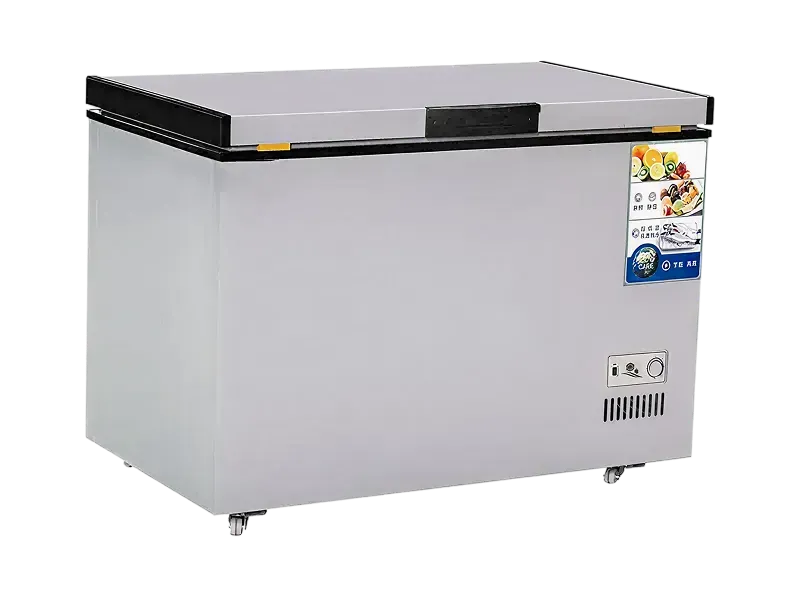
Maintenance requirements and long-term durability differ significantly between commercial and residential horizontal refrigerators. Commercial units are designed for frequent cleaning and heavy use. Components such as evaporator coils, compressors, and fans are industrial-grade, enabling the appliance to maintain performance over years of continuous operation. Residential units, however, are intended for lighter use and may wear out faster under high-demand scenarios. Regular maintenance is still necessary for both types, but commercial units typically offer easier access to components for cleaning or repair, reducing downtime in a business environment.
Price is often a deciding factor when choosing between commercial and residential horizontal refrigerators. Commercial refrigerators are generally more expensive due to their heavy-duty construction, higher performance capabilities, and compliance with industry standards. Residential units are more budget-friendly, appealing to homeowners who need sufficient storage without the operational demands of a commercial kitchen. When considering cost, buyers should weigh not only the upfront investment but also operational efficiency, energy consumption, and potential long-term savings.
Noise levels are another practical difference. Commercial refrigerators, equipped with powerful compressors and fans, can generate more noise than residential models. This is usually not an issue in a commercial setting where background noise is common, but it may be disruptive in a home environment. Residential horizontal refrigerators are engineered for quieter operation to blend seamlessly into kitchens and living spaces.
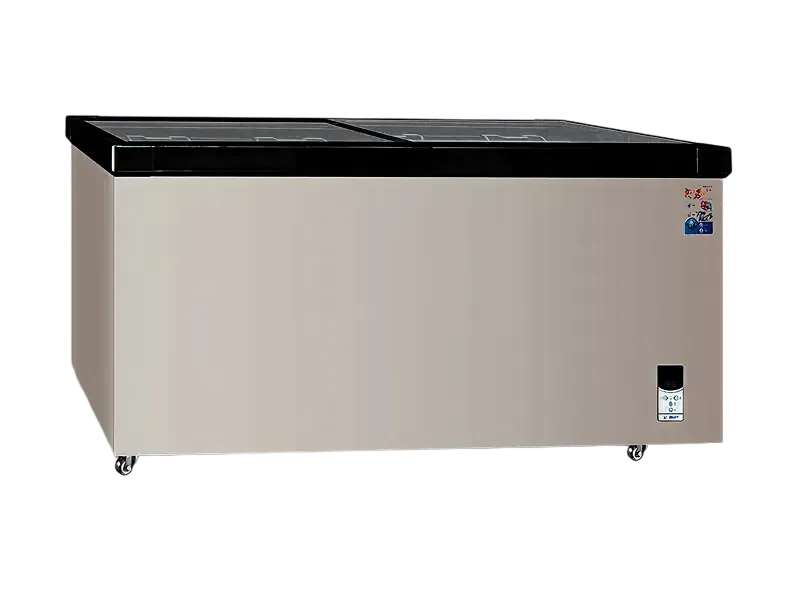
The intended application largely determines the choice between commercial and residential horizontal refrigerators. Commercial units are ideal for restaurants, grocery stores, catering services, and any setting where large quantities of food need to be stored, rotated, and accessed frequently. Residential units are best suited for home kitchens, small apartments, and households with moderate storage needs. Selecting the appropriate type ensures optimal performance, food safety, and longevity of the appliance.
Understanding the distinctions between commercial and residential horizontal refrigerators is essential for making an informed purchasing decision. Commercial models prioritize durability, high-capacity storage, precise temperature control, and continuous operation, making them suitable for demanding business environments. Residential models focus on convenience, aesthetic appeal, moderate energy use, and quieter operation, catering to everyday household needs. Evaluating factors such as cooling performance, storage capacity, energy consumption, maintenance requirements, and intended use will help buyers select the refrigerator that best meets their needs. By considering these key differences, businesses and homeowners alike can ensure food safety, operational efficiency, and long-term value.
Blast Freezing vs. Slow Freezing: Which Cold Storage Method Preserves Better?
2026-10-12Why Dual-Compressor Cold Storage Saves Your Budget During Peak Season
2026-10-05Cold Storage Fire Safety: Essential Systems for Low-Temperature Warehouses
2026-09-28How Humidifiers Improve Cold Storage Freshness: Myths vs. Facts
2026-09-21Address: China · Shandong Province · Binzhou Detailed Address
Email: tzy@tzykitchenware.com
Phone: +8618754395173

Kitchen equipment
High-performance quality kitchen equipment supplier
Innovative and durable kitchen solutions for chefs and foodservice businesses


Call / Email
+8618754395173
tzy@tzykitchenware.com
Visit Our Office
China · Shandong Province · Binzhou Detailed Address


