In 2026, the commercial and residential refrigeration market has witnessed significant technological advancements, particularly in the design and energy efficiency of horizontal refrigerators. These appliances, widely used in supermarkets, convenience stores, and food service operations, are designed for easy access and optimized storage of frozen and refrigerated goods. However, their growing prevalence raises an important question: how does the power consumption of horizontal refrigerators vary across models and brands, and which factors contribute most to energy efficiency?
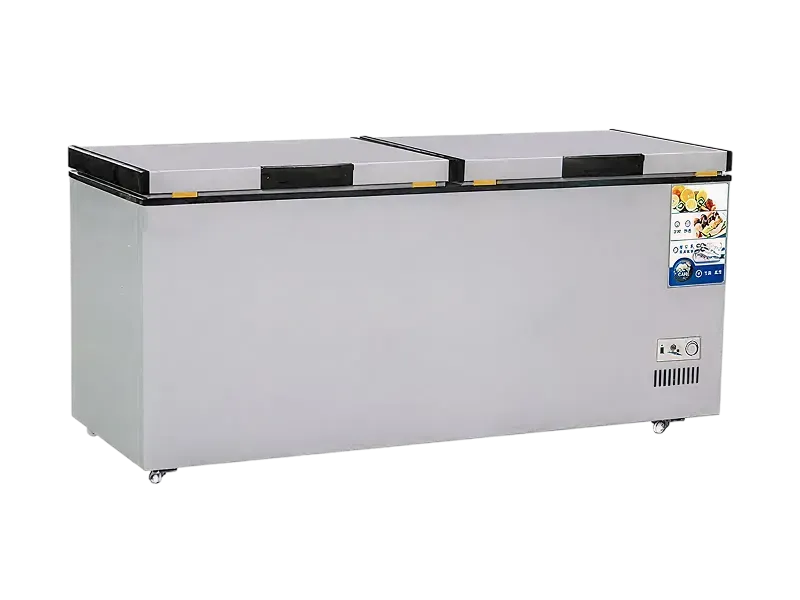
Horizontal refrigerators, also referred to as chest-style units, are often compared with upright refrigerators regarding both storage capacity and energy usage. Unlike vertical models, horizontal refrigerators feature a lid that opens from the top, reducing cold air loss and enhancing thermal insulation. This design naturally contributes to lower energy consumption, particularly in high-traffic commercial environments. According to recent studies, top-opening refrigerators can consume 10–20% less electricity than their upright counterparts under similar operating conditions.
When conducting a horizontal refrigerator power consumption comparison in 2026, several key parameters must be considered. First, compressor technology plays a critical role. Modern horizontal refrigerators increasingly employ variable-speed compressors, which adjust the cooling intensity based on load and ambient temperature. This adaptive operation not only stabilizes internal temperature but also reduces unnecessary energy use. In contrast, older models with fixed-speed compressors tend to consume more electricity due to constant cycling, even when the storage load is minimal.
Second, insulation quality and material significantly affect power consumption. High-density polyurethane foam remains the industry standard for thermal insulation, but newer models are integrating eco-friendly alternatives such as cyclopentane-blown foam, which offers similar thermal performance with a lower environmental footprint. Enhanced insulation ensures that less energy is required to maintain the desired internal temperature, resulting in measurable reductions in electricity costs over time.
Third, energy efficiency ratings and certifications are crucial indicators for comparison. In 2026, most leading horizontal refrigerator manufacturers adhere to international standards such as ENERGY STAR or EU energy labels. These certifications provide a transparent metric for consumers and businesses to evaluate the expected annual energy consumption of each unit. For instance, a 400-liter horizontal refrigerator with an A++ rating can consume roughly 20–25% less energy than a similar unit rated A, depending on usage patterns and ambient conditions.
Temperature management technology further differentiates power consumption among models. Horizontal refrigerators equipped with digital thermostats and smart sensors can optimize compressor cycles and airflow, maintaining uniform temperature distribution without overcooling. Some units also feature automatic defrost systems that minimize ice buildup, which otherwise forces the compressor to work harder, increasing energy use. In contrast, manual-defrost models require frequent maintenance to prevent efficiency losses, highlighting the importance of user-friendly features in energy-conscious design.
Environmental conditions also influence horizontal refrigerator power consumption. Placement in areas with high ambient temperatures or poor ventilation can cause compressors to operate continuously, leading to higher electricity bills. Consequently, businesses and households must consider both the refrigerator specifications and the installation environment when selecting a model. Proper spacing, ventilation, and avoidance of direct sunlight exposure can significantly reduce energy consumption and extend the appliance’s lifespan.
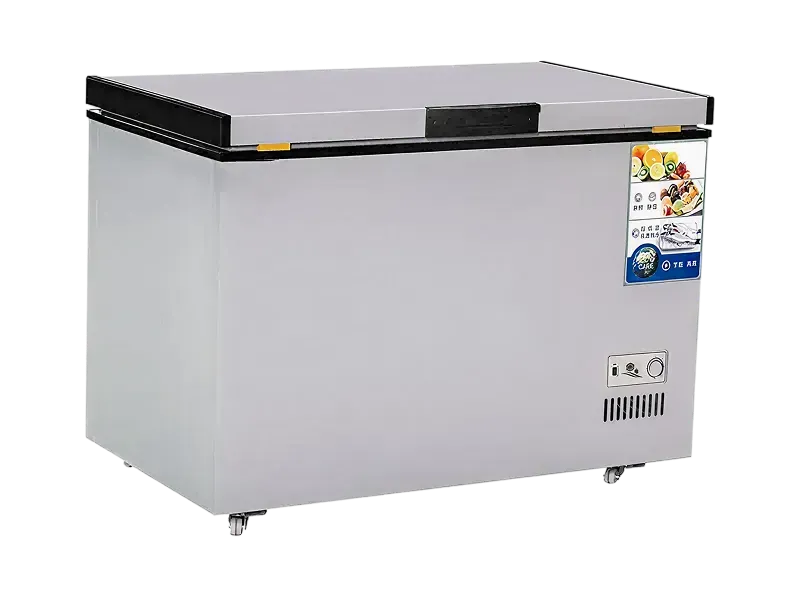
From a cost perspective, the 2026 horizontal refrigerator market demonstrates that investing in energy-efficient models yields long-term savings. While high-efficiency units may carry a higher upfront price, reduced electricity consumption and lower maintenance requirements often offset initial costs within two to four years. Moreover, energy-efficient appliances contribute to sustainability goals, reducing carbon emissions associated with electricity generation. As global energy regulations tighten and utility costs rise, the financial and environmental benefits of selecting an optimized horizontal refrigerator are increasingly compelling.
In summary, a horizontal refrigerator power consumption comparison in 2026 reveals that energy efficiency depends on multiple interrelated factors: compressor technology, insulation quality, energy certifications, temperature management systems, and installation conditions. Consumers and businesses seeking to minimize operational costs and environmental impact should prioritize models with variable-speed compressors, high-grade insulation, certified energy ratings, and smart temperature controls. Additionally, proper placement and maintenance are essential to maximize efficiency and prolong appliance lifespan. By considering these elements, users can make informed decisions that balance performance, sustainability, and cost-effectiveness in the evolving refrigeration landscape.
This comprehensive comparison underscores the importance of evaluating horizontal refrigerators not merely by capacity or brand reputation, but by their actual energy consumption in real-world conditions. As the 2026 market continues to innovate, staying informed about the latest technological advancements and efficiency metrics is crucial. Ultimately, understanding the nuances of horizontal refrigerator power consumption empowers buyers to select units that meet operational needs, reduce energy costs, and support broader sustainability objectives.
Top 10 Questions to Ask Before Buying Your Next Cold Storage System
2026-10-19Blast Freezing vs. Slow Freezing: Which Cold Storage Method Preserves Better?
2026-10-12Why Dual-Compressor Cold Storage Saves Your Budget During Peak Season
2026-10-05Cold Storage Fire Safety: Essential Systems for Low-Temperature Warehouses
2026-09-28Address: China · Shandong Province · Binzhou Detailed Address
Email: tzy@tzykitchenware.com
Phone: +8618754395173

Kitchen equipment
High-performance quality kitchen equipment supplier
Innovative and durable kitchen solutions for chefs and foodservice businesses


Call / Email
+8618754395173
tzy@tzykitchenware.com
Visit Our Office
China · Shandong Province · Binzhou Detailed Address


