Investing in a cold storage system is a significant capital decision that affects your operational efficiency, energy costs, and product quality for years to come. Whether you are expanding a commercial kitchen, upgrading a warehouse, or launching a new food processing line, the wrong choice can lead to expensive repairs, spoiled inventory, and compliance headaches. To help you avoid costly mistakes, we have compiled the ten most critical questions you must ask before signing any purchase order. For over a decade, TZY Kitchenware has guided businesses through this complex procurement process, and these questions reflect the real-world pitfalls we have seen time and again.
Many buyers focus only on raw cubic footage without considering usable space, shelving requirements, or future growth. Cold storage systems lose internal capacity due to evaporator units, aisle space, and structural supports. Ask for the usable storage volume (net capacity) rather than just total dimensions. Also, project your inventory needs 3–5 years ahead; a system that fits perfectly now may force an expensive expansion sooner than expected. TZY Kitchenware recommends calculating volume based on standard pallet or bin configurations, not empty space.
Different products require different stacking heights and airflow clearances. Meat carcasses need hanging space; frozen vegetables may be stored in bulk bins. Make sure the system vendor provides a layout that accommodates your specific packaging and handling equipment.
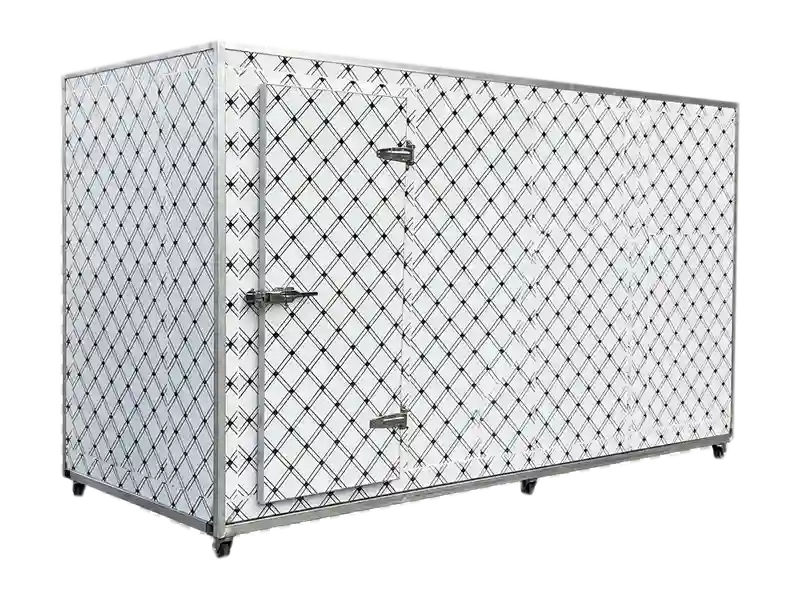
Cold storage systems are not one-size-fits-all. A system rated for 0°F may struggle to maintain -10°F if the compressor is undersized. Define the minimum and maximum operating temperatures for your most sensitive products. Also, inquire about temperature recovery time after door openings – a critical factor in busy kitchens. TZY Kitchenware’s clients often overlook that inconsistent temperatures accelerate freezer burn and microbial growth.
Ask whether the system includes built-in temperature monitoring, remote alarms, and failover controls. Newer models from TZY Kitchenware integrate IoT sensors that alert your phone when temperatures drift outside safe ranges, preventing catastrophic losses.
Energy consumption can equal or exceed the purchase price within five years. Request annual energy usage projections in kilowatt-hours (kWh) based on your local climate and usage patterns. Look for systems with high-efficiency compressors, variable-speed fans, and thick insulated panels (at least 4 inches for freezer applications). TZY Kitchenware offers an energy cost calculator that compares different models side by side, so you can see the payback period for premium efficiency options.
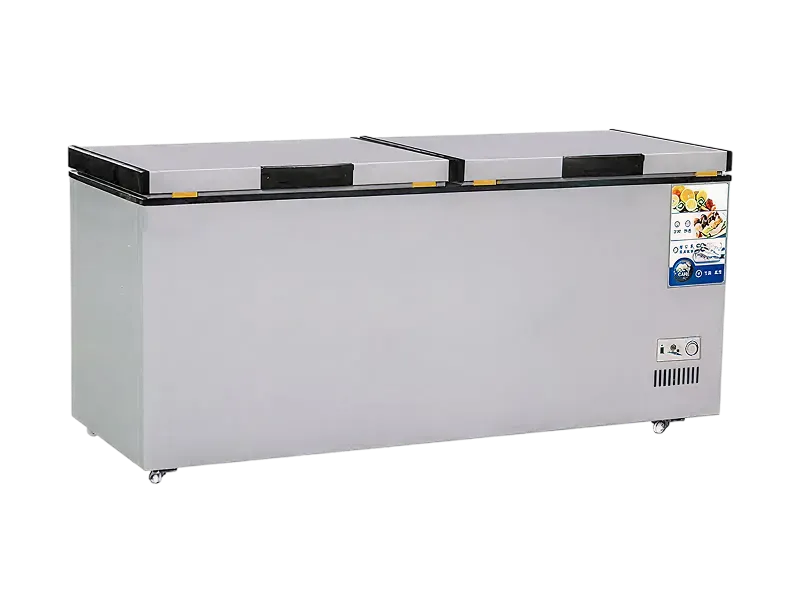
The exterior panels may look similar, but gauge thickness, corrosion resistance, and insulation foam density vary widely. Ask about the panel construction: are they structural polyurethane foam with metal cladding? What is the R-value? Also examine door hardware – gaskets, hinges, and handles fail most often. TZY Kitchenware uses stainless steel hinges and magnetic gaskets that withstand thousands of cycles without leaking cold air.
Flooring is a frequent weak point. Ensure the floor is rated for your expected load – a forklift or heavy pallet jack can crack standard floors. Reinforced, insulated floor panels with vapor barriers are essential to prevent frost heave.
Cold storage systems are mechanical, and breakdowns happen. Understand the warranty coverage period and terms for compressor, condenser, evaporator, and panels. Is labor included? How quickly can a technician arrive? TZY Kitchenware provides a comprehensive 3-year parts-and-labor warranty on all refrigeration systems, with a network of certified technicians nationwide.
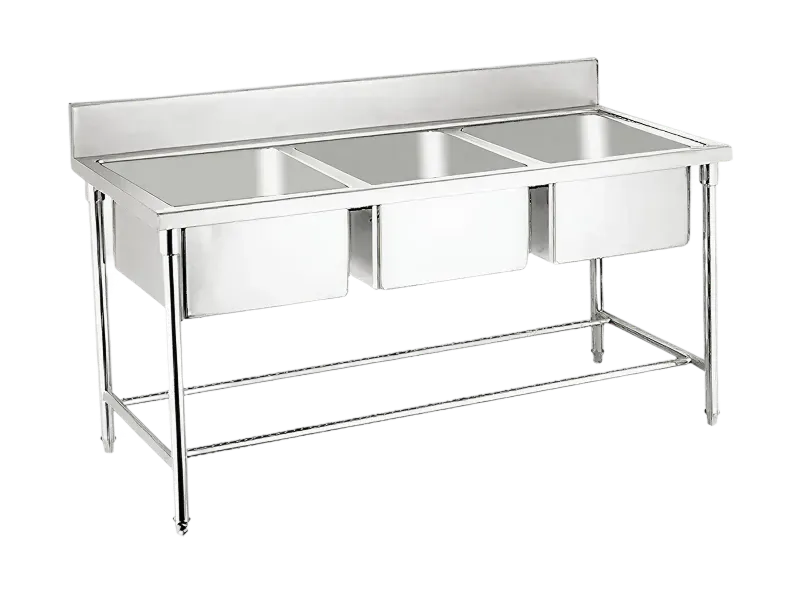
Your local health department, OSHA, and environmental agencies have specific requirements for commercial refrigeration. Ask for certifications such as UL, NSF, or CE marks. Also confirm that the refrigerant complies with current EPA rules (e.g., phasedown of R-404A). Non-compliant systems can result in fines, shutdown orders, and legal liability. TZY Kitchenware includes full compliance documentation with every installation.
The sticker price is only a fraction of the total expense. Factor in delivery charges, electrical work (dedicated circuits, voltage requirements), site preparation (level floor, drainage), and ongoing maintenance contracts. Ask the vendor for a 5-year total cost of ownership (TCO) projection. TZY Kitchenware provides transparent quotes that list every line item, so there are no surprises.
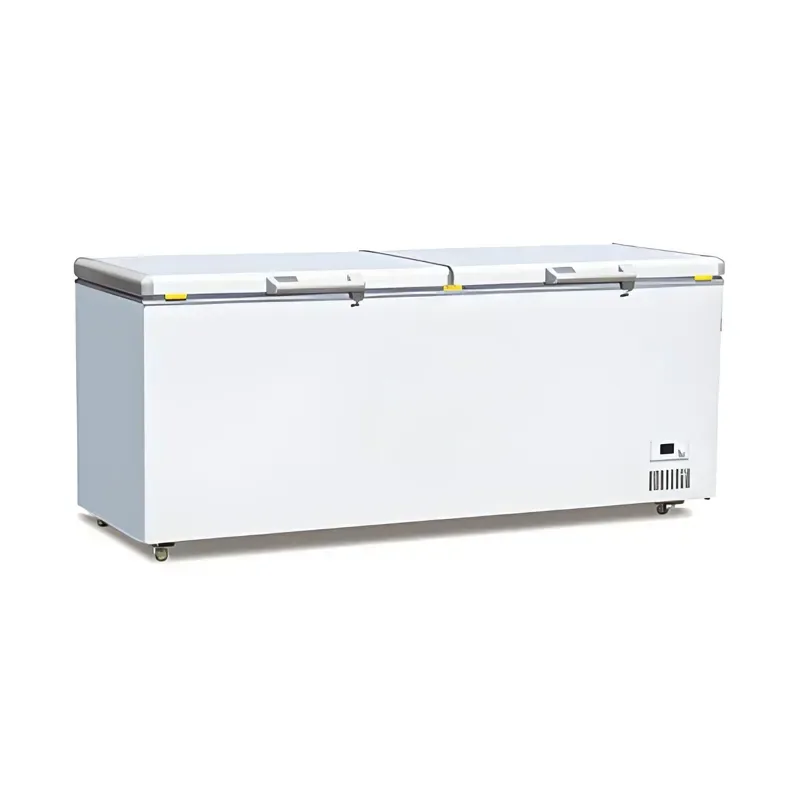
Excessive defrost cycles waste energy and raise temperature fluctuations. Ask about defrost frequency and method – electric, hot gas, or off-cycle. For freezer applications, hot gas defrost is more efficient but adds complexity. Also understand how the system maintains temperature during defrost; some models use backup cooling to keep products safe.
Businesses change. If you may need to enlarge your cold storage or move it to a different facility, choose a modular system with interlocking panels that can be disassembled and reassembled. Non-modular or custom-built systems are often impossible to relocate without major demolition. TZY Kitchenware’s modular walk-in coolers and freezers are designed for maximum flexibility, with panels that bolt together without specialized tools.
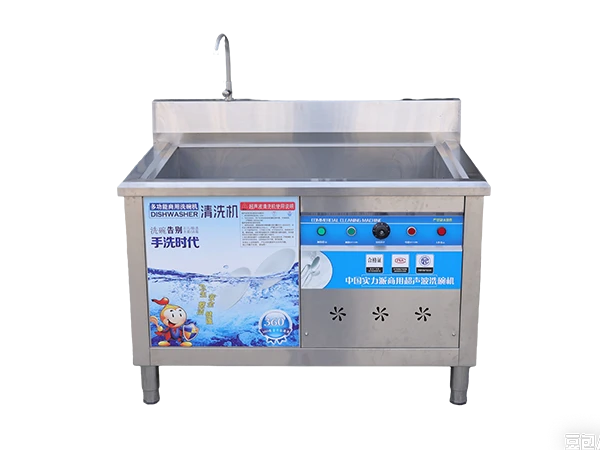
Vendor claims are one thing; real-world experience is another. Ask for customer references and case studies in industries similar to yours. Inquire about response times for service calls, average lifespan of the system, and common issues. TZY Kitchenware maintains an open list of client testimonials and will connect you directly with operators who have used our systems for years.
With proper maintenance, a commercial cold storage system from a reputable manufacturer like TZY Kitchenware can last 15–20 years for the panels and 10–15 years for the refrigeration unit before major replacements are needed.
Used systems often have hidden wear, outdated refrigerants, and no warranty. The energy savings from a new, high-efficiency model can offset the purchase price within 2–3 years. We generally recommend new systems for critical operations.
Most large cold storage systems require dedicated 208V or 460V three-phase power. A qualified electrician must evaluate your existing service. TZY Kitchenware includes a pre-installation site survey to identify electrical requirements.
Yes, our panels come in a variety of finishes including white, stainless steel, and custom colors to match your facility aesthetics. We can also add your logo or branding on the door exterior.
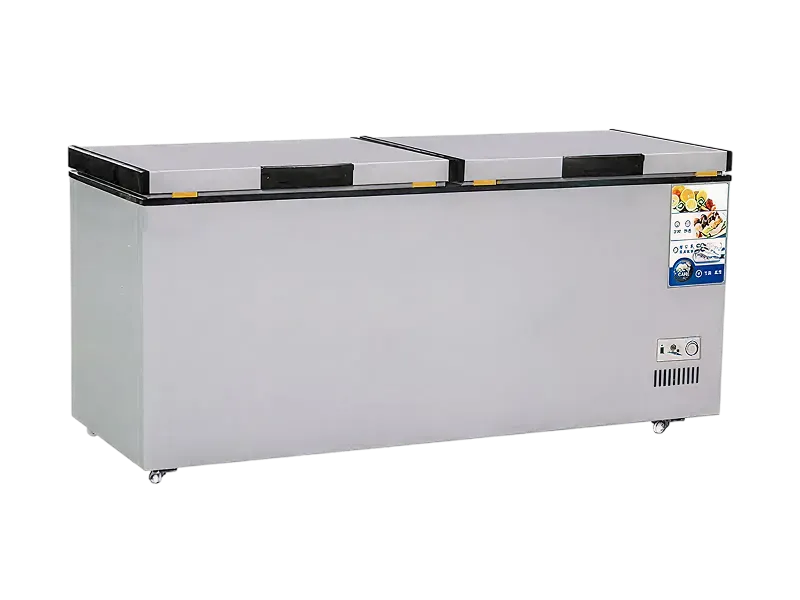
Choosing the right cold storage system is not a simple shopping trip – it is a strategic investment. By systematically asking these ten questions, you will separate marketing hype from technical reality. Take the time to visit a vendor’s showroom or a current installation, and always get multiple bids with detailed spec sheets. TZY Kitchenware stands behind every system we sell with rigorous testing, responsive support, and a commitment to helping you preserve your products efficiently. When you are ready to move forward, our team can walk through each of these questions with your specific operation in mind, ensuring you buy a system that performs today and grows with you tomorrow.
Top 10 Questions to Ask Before Buying Your Next Cold Storage System
2026-10-19Blast Freezing vs. Slow Freezing: Which Cold Storage Method Preserves Better?
2026-10-12Why Dual-Compressor Cold Storage Saves Your Budget During Peak Season
2026-10-05Cold Storage Fire Safety: Essential Systems for Low-Temperature Warehouses
2026-09-28Address: China · Shandong Province · Binzhou Detailed Address
Email: tzy@tzykitchenware.com
Phone: +8618754395173

Kitchen equipment
High-performance quality kitchen equipment supplier
Innovative and durable kitchen solutions for chefs and foodservice businesses


Call / Email
+8618754395173
tzy@tzykitchenware.com
Visit Our Office
China · Shandong Province · Binzhou Detailed Address
