In modern foodservice, retail, and cold chain operations, commercial freezers are not just storage equipment—they are critical assets that directly impact product quality, regulatory compliance, and operating costs. Whether in busy restaurant kitchens, supermarket backrooms, or large-scale food distribution centers, maintaining a stable low-temperature environment is essential.
However, many businesses tend to focus on compressors, refrigerants, and digital controllers, while overlooking one of the most fundamental yet vulnerable components: the freezer door gasket.
Although it appears to be a simple rubber seal, the door gasket plays a decisive role in maintaining internal temperature, preventing energy loss, and protecting stored goods. Once this component begins to degrade, the entire refrigeration system is forced to compensate—often silently at first, but with increasingly costly consequences over time.
This guide will help you clearly identify when your commercial freezer door gasket needs replacement, explain why timely action matters, and provide practical maintenance strategies based on real-world operational experience.
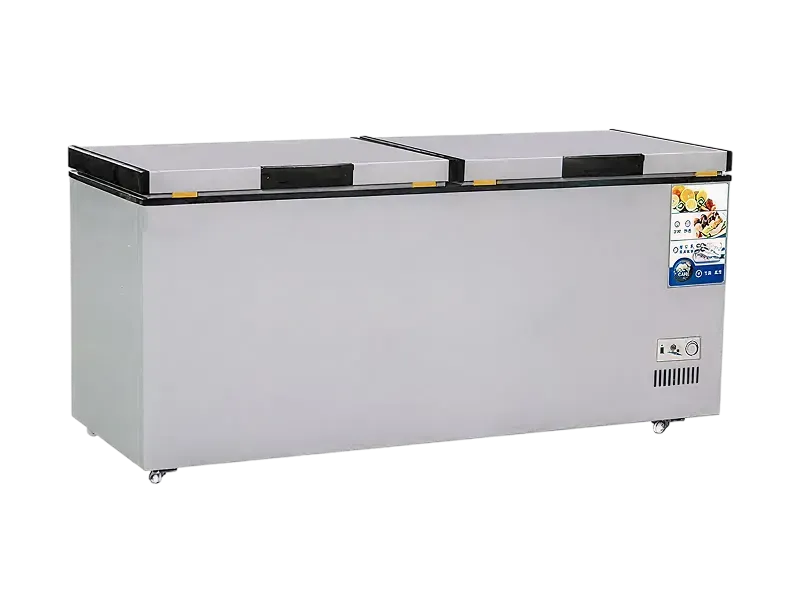
A properly functioning gasket creates an airtight seal between the freezer door and cabinet. This seal prevents warm air infiltration and ensures that cold air remains contained inside the unit.
When the gasket fails, several chain reactions occur:
External warm air enters the freezer
Internal temperature becomes unstable
Frost begins to accumulate
The compressor runs more frequently
Energy consumption increases significantly
Over time, what starts as a minor seal issue can evolve into a system-wide efficiency problem. This is why experienced facility managers treat gasket inspection as a routine preventive maintenance task rather than a reactive repair.
1) Visible Cracks, Warping, or Deformation
The most direct and reliable indicator of gasket failure is physical damage.
With continuous exposure to low temperatures, frequent door openings, and mechanical stress, gasket materials such as PVC or rubber gradually lose elasticity. This leads to:
Surface cracks
Hardened or brittle sections
Warped edges
Permanent compression marks
Even small imperfections can create micro gaps that allow cold air to escape. In high-usage environments, these minor defects can quickly escalate into serious performance issues.
A monthly visual inspection along the entire door perimeter is strongly recommended.
2)Unusual Frost or Ice Accumulation Inside the Freezer
If you notice excessive frost forming on walls, shelves, or near the door edges, the gasket is often the root cause.
When warm, humid air enters through a compromised seal, it condenses and freezes upon contact with cold surfaces. Over time, this results in:
Thick ice layers
Reduced storage capacity
Blocked airflow inside the unit
More importantly, excessive frost forces the freezer to work harder, reducing overall efficiency and accelerating wear on internal components.
3) Temperature Fluctuations and Declining Food Quality
A stable temperature is essential for preserving frozen products. When the gasket fails, temperature consistency becomes difficult to maintain.
Common warning signs include:
Ice cream becoming soft or partially melted
Frozen meat showing signs of thawing and refreezing
Increased product waste or spoilage complaints
These fluctuations are not always immediately noticeable without monitoring. Therefore, using a calibrated thermometer or digital monitoring system is highly recommended.
From a compliance perspective, unstable temperatures may also lead to violations of food safety standards, especially in regulated markets.
4)Rising Energy Bills Without Clear Explanation
A failing gasket directly impacts energy consumption.
When cold air continuously escapes, the freezer’s compressor must operate longer and cycle more frequently to maintain the set temperature. This leads to:
Increased electricity usage
Higher operating costs
Reduced equipment lifespan
In many cases, businesses attribute rising energy costs to external factors, while the real issue lies in a worn-out door seal.
Replacing a gasket is a low-cost intervention compared to the long-term energy savings it can deliver.
5) Door Does Not Close Tightly or Opens Unexpectedly
If the freezer door feels loose, fails to close completely, or requires extra force to shut, the gasket is likely compromised.
A practical on-site test is the “paper test”:
Place a piece of paper between the door and the cabinet, close the door, and try to pull it out. If the paper slides out easily, the seal is no longer effective.
This issue should not be ignored, as it leads to continuous air leakage and immediate efficiency loss.
6) Increased Compressor Noise or Frequent Cycling
Operational sounds can also provide valuable clues.
When the gasket is no longer sealing properly, the compressor compensates by running more frequently. This often results in:
Continuous humming
Repeated clicking sounds
Short cycling behavior
These symptoms indicate increased system stress, which, if left unresolved, can lead to expensive component failure.
7) Gasket Age and Usage Intensity
Even without obvious damage, gasket aging is inevitable.
Under typical conditions, a commercial freezer gasket lasts between 5 to 10 years. However, in high-traffic environments—such as restaurant kitchens or convenience stores—the lifespan may be significantly shorter.
Factors that accelerate wear include:
Frequent door opening
High humidity environments
Poor cleaning practices
Exposure to grease or chemicals
Proactive replacement based on usage cycles is often more cost-effective than waiting for failure.
Businesses that delay gasket replacement often underestimate the cumulative impact. In reality, ignoring this small component can lead to multiple operational risks:
Product Loss
Temperature instability compromises food quality, leading to spoilage and waste.
Energy Waste
Leaking seals force the system to consume more electricity, increasing long-term costs.
Equipment Damage
Overworked compressors are more prone to breakdown, resulting in expensive repairs or downtime.
Regulatory and Safety Risks
Improper storage conditions may violate food safety regulations, potentially leading to fines or reputational damage.
1. Implement Scheduled Inspections
Regular checks—at least once per month—help identify early-stage damage before it becomes critical.
2. Clean Gaskets Properly
Dirt, grease, and food residue can degrade gasket material over time.
Use:
Mild detergent
Warm water
Soft cloth
Avoid harsh chemicals that may cause cracking or hardening.
3. Maintain Flexibility with Proper Care
In some cases, applying a food-grade lubricant can help preserve gasket elasticity and improve sealing performance.
4. Replace with Compatible, High-Quality Gaskets
Not all gaskets are equal. Choosing the correct size, material, and design ensures proper sealing and long-term durability.
Working with experienced suppliers or certified technicians is highly recommended to ensure correct installation and performance.
A commercial freezer door gasket may seem insignificant compared to compressors or cooling systems, but its impact on efficiency, cost control, and food safety is substantial.
By recognizing early warning signs—such as visible wear, frost buildup, temperature inconsistency, and rising energy consumption—businesses can take timely action and avoid costly consequences.
Consistent maintenance and proactive replacement not only protect your equipment investment but also contribute to smoother operations and better compliance with industry standards.
If your commercial freezer is showing signs of reduced sealing performance, now is the time to act.
Inspect your door gaskets, evaluate their condition, and consider professional replacement before minor issues turn into major operational problems. A properly sealed freezer not only preserves your products but also protects your bottom line.
For reliable gasket solutions or technical support, contact a trusted supplier or service provider today and ensure your refrigeration system continues to operate at peak efficiency.
How Humidifiers Improve Cold Storage Freshness: Myths vs. Facts
2026-09-21Maximizing Pallet Density in Cold Storage Without Compromising Airflow
2026-09-14Cold Storage Lifecycle: When to Repair vs. Replace Aging Coolers
2026-09-07Portable Cold Storage Units: Flexible Solutions for Seasonal Inventory Peaks
2026-08-31Address: China · Shandong Province · Binzhou Detailed Address
Email: tzy@tzykitchenware.com
Phone: +8618754395173

Kitchen equipment
High-performance quality kitchen equipment supplier
Innovative and durable kitchen solutions for chefs and foodservice businesses


Call / Email
+8618754395173
tzy@tzykitchenware.com
Visit Our Office
China · Shandong Province · Binzhou Detailed Address


