Unlike traditional cold storage construction that often requires long engineering cycles, on-site fabrication, and complex civil works, modular cold room systems are designed to simplify installation, reduce downtime, and provide scalable temperature-controlled environments. This article explores how these systems work, why they are gaining global attention, and what decision-makers should consider when selecting a solution for their operations.
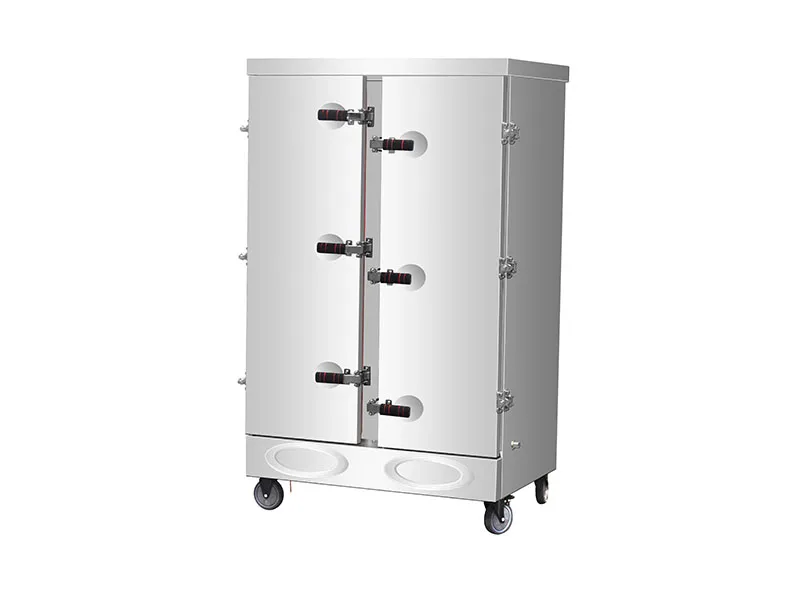
A prefabricated modular cold room kit is a pre-engineered refrigeration system composed of insulated panels, refrigeration units, flooring systems, doors, and control components that are manufactured in a controlled factory environment and assembled on-site.
The modular nature of the system allows each component to fit together like a structured enclosure, significantly reducing construction complexity. Engineers design these systems with standardized interfaces, which means installation teams can assemble them quickly without requiring extensive structural modifications to existing buildings.
The keyword advantage of prefabricated modular cold room kits for quick installation lies in their ability to merge industrial-grade cooling performance with rapid deployment capability.
Time is often a critical factor in cold storage investment decisions. Businesses in sectors such as fresh food distribution or vaccine storage cannot afford long facility downtime or delayed operational readiness.
Traditional cold rooms may require weeks or even months for civil construction, insulation curing, refrigeration piping, and system calibration. In contrast, modular cold room kits dramatically shorten this timeline.
A well-planned modular installation can often be completed within days, depending on size and complexity. This acceleration helps businesses achieve faster operational launch, quicker return on investment, and reduced disruption to supply chain operations.
1. Rapid Deployment and Reduced Construction Time
The most significant benefit of prefabricated modular cold room kits for quick installation is the reduction in on-site construction work. Since most components are pre-engineered, installation teams primarily focus on assembly rather than fabrication.
This approach minimizes labor dependency and eliminates delays caused by weather conditions or material shortages that commonly affect traditional builds.
2. Flexible and Scalable Design
Modern cold chain operations require adaptability. Modular systems allow users to expand or reduce storage capacity based on changing business demands.
Additional panels or refrigeration units can be integrated into existing systems without major structural reconstruction.
This scalability makes modular cold rooms suitable for both small businesses and large industrial operations.
3. Energy Efficiency and Thermal Performance
High-quality modular cold rooms use polyurethane (PU) or polyisocyanurate (PIR) insulated panels that provide excellent thermal resistance. These materials reduce heat transfer, which lowers energy consumption and improves temperature stability.
When combined with modern refrigeration systems, businesses can achieve consistent cooling performance while reducing long-term operational costs.
4. Controlled Manufacturing Quality
Because components are manufactured in controlled factory environments, prefabricated systems maintain consistent quality standards. This reduces installation errors and ensures that insulation performance, sealing integrity, and structural alignment meet engineering specifications.
Quality control at the production stage is a key factor that enhances system reliability and lifespan.
5. Portability and Relocation Capability
Unlike permanent cold storage buildings, modular cold rooms can be disassembled and relocated if operational requirements change. This feature is especially valuable for businesses operating in temporary facilities, seasonal industries, or expanding logistics networks.
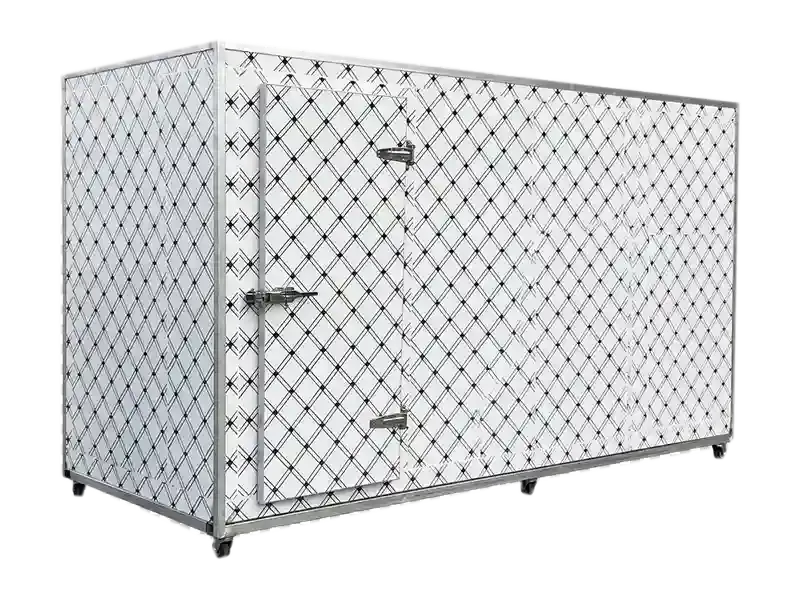
A complete prefabricated modular cold room kit typically includes several integrated components:
Insulated wall and ceiling panels designed for thermal efficiency
Refrigeration system, including condensing units and evaporators
Cold room doors, such as hinged or sliding insulated doors
Floor insulation systems, often reinforced for heavy storage loads
Temperature monitoring and control systems for precision regulation
Each component plays a critical role in maintaining stable internal conditions and ensuring operational efficiency.
The installation of prefabricated modular cold room kits for quick installation follows a structured engineering workflow:
Site preparation and leveling to ensure a stable base
Panel assembly, where insulated panels are locked together using cam-lock systems
Installation of refrigeration equipment, including piping and electrical connections
Door and sealing integration, ensuring airtight performance
System testing and calibration, including temperature stabilization checks
Because most components arrive pre-engineered, installation teams can focus on precision assembly rather than on-site manufacturing tasks.
Modular cold rooms are widely used across multiple industries where temperature control is essential.
Food and Beverage Industry
Cold storage plays a critical role in preserving meat, seafood, dairy products, fruits, and frozen goods. Modular systems ensure consistent temperature control while supporting high-volume storage requirements.
Pharmaceutical and Healthcare Sector
Vaccines, medicines, and biological materials require strict temperature regulation. Modular cold rooms provide reliable environments that comply with pharmaceutical storage standards.
Logistics and Distribution Centers
Cold chain logistics companies use modular cold rooms as temporary or permanent storage hubs to support regional distribution networks.
Hospitality and Retail
Hotels, supermarkets, and restaurants benefit from compact modular cold rooms that can be installed in limited space while maintaining food freshness and safety.
When selecting a modular cold room system, several technical factors should be evaluated carefully:
Required temperature range (chilled, frozen, or deep freeze applications)
Insulation thickness and material performance
Compressor efficiency and refrigeration capacity
Structural load requirements for storage density
Expansion potential for future scalability
Compliance with food safety or pharmaceutical regulations
A well-designed system should balance performance, cost efficiency, and long-term durability.
While the initial investment in prefabricated modular cold room kits for quick installation may appear similar to traditional cold storage systems, the overall lifecycle cost is often significantly lower.
Reduced construction time lowers labor expenses, while improved energy efficiency decreases monthly operating costs. Additionally, faster deployment allows businesses to generate revenue sooner, improving overall return on investment.
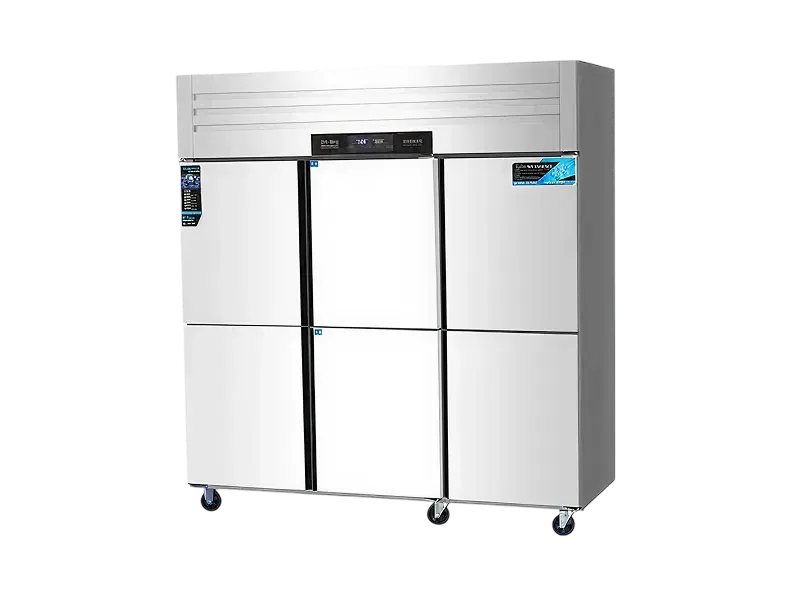
Modular cold rooms are designed for long-term industrial use, but regular maintenance remains essential for optimal performance. Routine inspection of door seals, refrigeration units, and insulation panels helps prevent energy loss and mechanical failures.
Many modern systems also integrate digital monitoring tools that allow operators to track temperature fluctuations and system performance in real time, improving preventive maintenance strategies.
The growing demand for efficient cold chain infrastructure has positioned prefabricated modular cold room kits for quick installation as a practical and future-ready solution for industries worldwide. Their combination of rapid deployment, scalability, energy efficiency, and controlled manufacturing quality makes them a strong alternative to traditional construction methods.
As supply chain requirements continue to evolve, businesses that invest in modular cold storage systems gain a competitive advantage through faster operational readiness, improved cost control, and enhanced adaptability.
For companies seeking to expand their cold storage capacity or upgrade existing facilities, modular cold room technology offers a reliable pathway toward higher efficiency and long-term operational stability.How Humidifiers Improve Cold Storage Freshness: Myths vs. Facts
2026-09-21Maximizing Pallet Density in Cold Storage Without Compromising Airflow
2026-09-14Cold Storage Lifecycle: When to Repair vs. Replace Aging Coolers
2026-09-07Portable Cold Storage Units: Flexible Solutions for Seasonal Inventory Peaks
2026-08-31Address: China · Shandong Province · Binzhou Detailed Address
Email: tzy@tzykitchenware.com
Phone: +8618754395173

Kitchen equipment
High-performance quality kitchen equipment supplier
Innovative and durable kitchen solutions for chefs and foodservice businesses


Call / Email
+8618754395173
tzy@tzykitchenware.com
Visit Our Office
China · Shandong Province · Binzhou Detailed Address


