In 2026, investment decisions in commercial refrigeration equipment are no longer driven by price alone. Energy regulations are becoming stricter, refrigerant standards are evolving, and operating costs are under closer scrutiny than ever before. For restaurant owners, supermarket chains, cold storage operators, and food processing facilities, understanding the true cost of commercial refrigeration equipment means looking beyond the initial quotation and evaluating long-term return on investment.
This article provides a detailed breakdown of pricing ranges, influencing factors, installation expenses, and lifecycle costs to help you plan your budget more strategically in 2026.
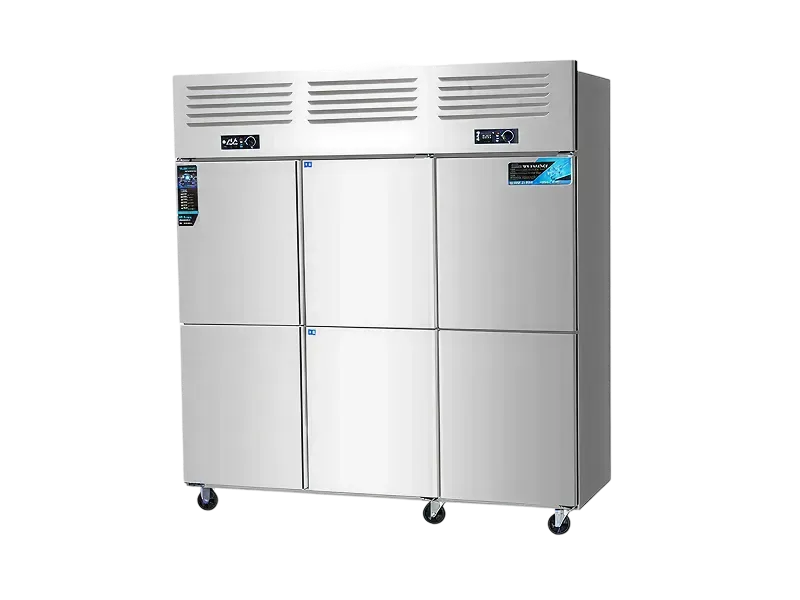
The price of commercial refrigeration equipment varies significantly depending on capacity, configuration, materials, brand positioning, and level of customization. Below is a general reference range for common categories:
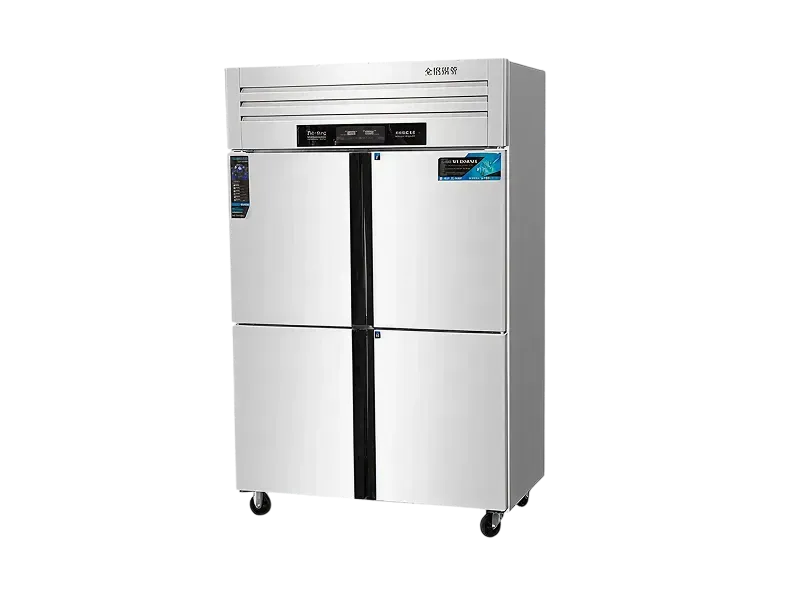
✔ Reach-In Refrigerators & Freezers
Typical Cost: $1,200 – $6,000 per unit
These units are commonly used in restaurants, cafés, and catering kitchens. Pricing depends on door configuration (single, double, or triple), stainless steel grade, insulation thickness, and compressor quality.
✔ Display Refrigerators & Merchandisers
Typical Cost: $2,000 – $12,000 per unit
Supermarkets and convenience stores often require glass-door display cabinets with LED lighting and digital controllers. Advanced energy-saving systems and smart monitoring features can push costs higher.
✔ Walk-In Coolers & Freezers
Typical Cost: $8,000 – $40,000+
Larger walk-in systems are highly customizable. Pricing depends on panel thickness, floor reinforcement, refrigeration system type (remote or self-contained), and installation complexity.
✔ Cold Storage Warehouse Systems
Typical Cost: $50,000 – $500,000+
Industrial-scale cold storage projects involve insulated panels, centralized refrigeration systems, condensers, evaporators, and automated control systems. Costs vary dramatically based on size, temperature requirements, and energy efficiency standards.
It is important to note that these figures represent equipment pricing only and may not include shipping, installation, or commissioning.
The refrigeration market in 2026 is shaped by regulatory changes and energy transition policies, which directly impact manufacturing and procurement costs.
1) Energy Efficiency Requirements
With increasing global emphasis on carbon reduction, energy-efficient systems equipped with inverter compressors, EC fans, and advanced insulation materials have become more common. Although these systems carry a higher upfront cost, they significantly reduce electricity consumption over time.
2) Refrigerant Type
Low-GWP refrigerants such as R290 are gaining popularity due to environmental compliance requirements. Equipment designed for environmentally friendly refrigerants often involves upgraded safety designs and system adjustments, which can affect pricing.
3) Material Quality
Food-grade stainless steel interiors, corrosion-resistant coatings, and reinforced shelving systems contribute to durability but increase production costs. For high-humidity or coastal regions, upgraded anti-corrosion treatments are often recommended.
4) Customization & OEM Manufacturing
Many commercial clients require non-standard dimensions, branding, or integrated systems. Custom manufacturing inevitably adds engineering and tooling costs, but it allows businesses to optimize space and improve operational efficiency.
5) Smart Monitoring & IoT Integration
Remote temperature monitoring, automatic alarms, and cloud-based management systems are increasingly standard in 2026. These features improve food safety compliance and reduce loss but add to equipment cost.
When budgeting for commercial refrigeration equipment, overlooking associated costs can lead to unexpected financial pressure.
Shipping and logistics: International freight rates fluctuate based on fuel costs and global trade conditions.
Installation labor: Professional installation ensures compliance with safety and energy regulations.
Electrical upgrades: High-capacity systems may require power infrastructure adjustments.
Ventilation systems: Proper airflow and heat dissipation are critical for long-term performance.
Maintenance contracts: Preventive maintenance programs reduce downtime and extend lifespan.
In many cases, installation and related expenses can account for 15%–30% of the total project budget.
While purchase price is important, electricity consumption remains the largest long-term expense associated with commercial refrigeration equipment.
A low-cost system with poor insulation and outdated compressors may consume significantly more power over its lifespan. In contrast, a high-efficiency unit may recover its additional upfront cost within two to four years through energy savings alone.
Maintenance frequency also impacts total ownership cost. Systems built with high-quality compressors and stable temperature control technology tend to experience fewer breakdowns and lower repair expenses.
Rather than focusing solely on the lowest quotation, businesses should evaluate refrigeration equipment through a total cost of ownership perspective.
Conduct a capacity assessment to avoid oversizing.
Choose energy-efficient compressors and insulation systems.
Ensure compliance with local refrigerant regulations.
Work with experienced manufacturers offering OEM or customized solutions.
Request lifecycle cost analysis before finalizing procurement.
Strategic purchasing decisions can improve operational stability while reducing long-term expenses.
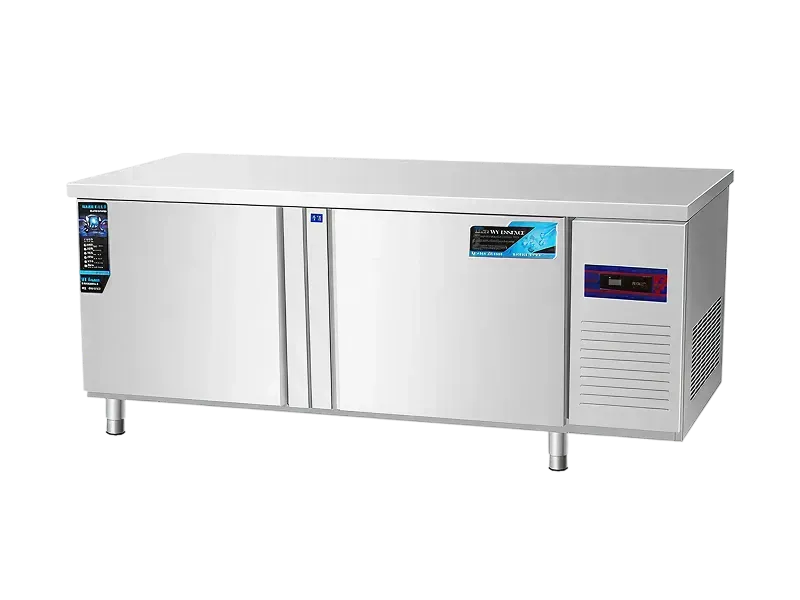
In 2026, commercial refrigeration equipment is more technologically advanced than ever before. Working directly with a professional manufacturer ensures access to:
Customized solutions tailored to your facility layout
Competitive factory-direct pricing
Strict quality control and testing procedures
Technical support and after-sales service
Long-term spare parts availability
A reliable supplier not only delivers equipment but also supports your cold chain infrastructure for years to come.
Final Thoughts
The cost of commercial refrigeration equipment in 2026 ranges widely, from a few thousand dollars for small commercial units to several hundred thousand dollars for industrial cold storage systems. However, the real value lies in performance, efficiency, durability, and long-term operating savings.
For businesses aiming to reduce energy bills, improve food safety compliance, and strengthen operational reliability, investing in high-quality commercial refrigeration equipment is not merely an expense—it is a strategic decision that directly influences profitability.
If you are planning to upgrade or expand your refrigeration systems in 2026, working with an experienced manufacturer can help you balance budget control with performance optimization while ensuring long-term returns on your investment.
Maximizing Pallet Density in Cold Storage Without Compromising Airflow
2026-09-14Cold Storage Lifecycle: When to Repair vs. Replace Aging Coolers
2026-09-07Portable Cold Storage Units: Flexible Solutions for Seasonal Inventory Peaks
2026-08-317 Signs Your Cold Storage Is Wasting Energy and How to Fix Them
2026-08-24Address: China · Shandong Province · Binzhou Detailed Address
Email: tzy@tzykitchenware.com
Phone: +8618754395173

Kitchen equipment
High-performance quality kitchen equipment supplier
Innovative and durable kitchen solutions for chefs and foodservice businesses


Call / Email
+8618754395173
tzy@tzykitchenware.com
Visit Our Office
China · Shandong Province · Binzhou Detailed Address


