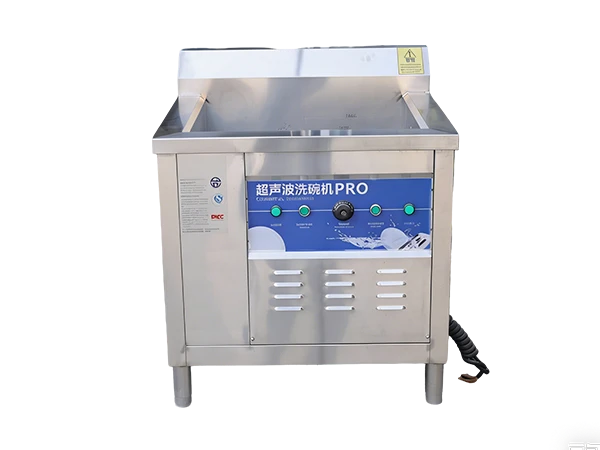
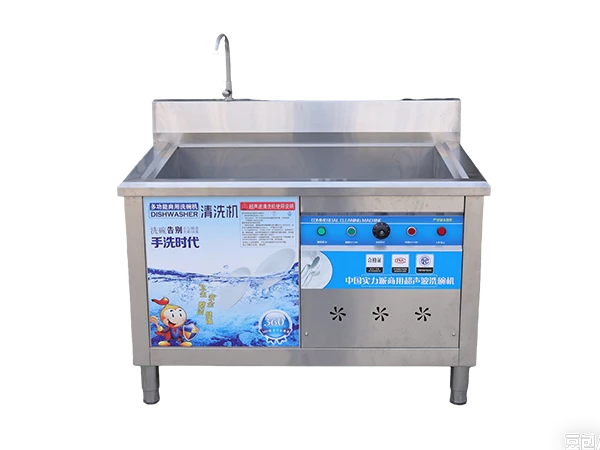
A commercial ultrasonic dishwasher provides an advanced solution to these challenges. By combining ultrasonic cleaning technology with industrial-grade washing systems, this equipment delivers deep, efficient, and reliable cleaning for a wide variety of kitchenware.
Keyword: Commercial ultrasonic dishwasher, Industrial ultrasonic dishwasher, Commercial kitchen ultrasonic dishwasher, Ultrasonic dishwasher for restaurants
Category: Stainless Steel Tier Cabinet
Email: 1360830042@qq.com
A Commercial Ultrasonic Dishwasher is an industrial cleaning machine that uses high-frequency ultrasonic waves to remove grease, food residue, and contaminants from kitchen utensils. Unlike conventional dishwashers that rely mainly on high-pressure water jets, ultrasonic cleaning technology generates microscopic bubbles in the cleaning liquid through a process known as cavitation.
When these bubbles collapse, they release tiny bursts of energy that gently but effectively dislodge grease and debris from the surface of objects. This process allows the cleaning solution to reach narrow gaps, complex structures, and difficult-to-clean areas that traditional washing methods often miss.
Because ultrasonic cleaning works at a microscopic level, it can clean items such as:
Stainless steel pots and pans
Gastronorm containers
Baking trays and molds
Cutlery and kitchen tools
Food processing accessories
Ventilation filters and grease traps
As a result, commercial kitchens can maintain a higher level of cleanliness while reducing manual labor.
The core component of a commercial ultrasonic dishwasher is the ultrasonic generator and transducer system. The generator converts electrical energy into high-frequency signals, typically ranging between 20 kHz and 40 kHz. These signals are transmitted through transducers attached to the cleaning tank, which then produce ultrasonic vibrations in the cleaning liquid.
Once the ultrasonic waves travel through the liquid, millions of microscopic bubbles form and collapse rapidly. This cavitation process creates powerful micro-jets that break down grease, oil, and food residues on the surface of kitchenware.
Because this cleaning action occurs throughout the liquid, every surface that comes into contact with the solution is cleaned evenly. This ensures that utensils with holes, grooves, and complex shapes receive thorough cleaning without the need for excessive scrubbing.
1. Deep and Uniform Cleaning
A commercial ultrasonic dishwasher removes grease and residue from areas that conventional washing systems cannot easily reach. The ultrasonic cavitation process penetrates tight spaces, ensuring that even intricate kitchen tools are cleaned thoroughly.
2. High Cleaning Efficiency
Commercial kitchens often operate under intense time pressure. Ultrasonic dishwashers can significantly reduce cleaning time because they clean multiple items simultaneously while maintaining consistent results.
3. Reduced Labor Requirements
Manual scrubbing of heavily greased cookware can be physically demanding and time-consuming. Ultrasonic cleaning minimizes the need for manual intervention, allowing kitchen staff to focus on food preparation and service tasks.
4. Lower Water and Chemical Consumption
Compared with traditional cleaning methods, ultrasonic systems often require less water and detergent. The cavitation process enhances the effectiveness of cleaning agents, which helps reduce operating costs while supporting environmentally responsible operations.
5. Gentle on Kitchen Equipment
Although ultrasonic cleaning is powerful against grease and contaminants, it remains gentle on surfaces. This characteristic helps extend the lifespan of kitchen utensils and prevents surface damage caused by aggressive mechanical cleaning.
6. Improved Hygiene Standards
In commercial kitchens, sanitation is essential for food safety compliance. Ultrasonic cleaning technology ensures consistent cleaning quality, helping restaurants and food service facilities maintain strict hygiene regulations.
Commercial ultrasonic dishwashers are widely used in environments where high hygiene standards and efficient cleaning are required.
Restaurants and Hotels
Large commercial kitchens generate substantial quantities of cookware and utensils every day. Ultrasonic dishwashers help maintain cleanliness while keeping up with peak operational demand.
Central Kitchens and Catering Facilities
Central food production facilities require efficient cleaning solutions to handle large volumes of trays, containers, and preparation tools.
Bakeries and Food Processing Plants
Baking molds, trays, and processing equipment often accumulate stubborn residues. Ultrasonic cleaning helps remove baked-on grease and food particles without damaging equipment.
Institutional Kitchens
Hospitals, schools, and corporate cafeterias benefit from ultrasonic dishwashers because they improve cleaning consistency and reduce labor costs.
A well-designed commercial ultrasonic dishwasher typically includes several key components that ensure reliable performance.
Ultrasonic Cleaning Tank
The stainless steel tank holds the cleaning solution and the items to be washed. High-quality tanks are designed for durability and corrosion resistance.
Ultrasonic Transducers
These components convert electrical energy into ultrasonic vibrations that generate the cavitation effect responsible for deep cleaning.
Heating System
Many ultrasonic dishwashers include a heating system that raises the cleaning solution temperature, which improves grease removal efficiency.
Filtration System
A built-in filtration system helps remove food particles and grease from the cleaning solution, extending the working life of the cleaning liquid.
Control Panel
Modern machines often feature digital controls that allow operators to adjust cleaning time, temperature, and ultrasonic power according to the cleaning requirements.
The food service industry is becoming increasingly focused on efficiency, hygiene, and sustainability. As a result, many commercial kitchens are upgrading their cleaning equipment to ultrasonic dishwashers.
Compared with traditional manual washing or standard dishwashers, ultrasonic systems offer several operational advantages:
Faster cleaning cycles
Reduced labor intensity
Improved cleaning consistency
Lower operating costs
Higher sanitation standards
These benefits make ultrasonic dishwashers a valuable investment for restaurants and food processing facilities seeking to optimize their kitchen operations.
When selecting a commercial ultrasonic dishwasher, buyers should evaluate several important factors to ensure the equipment meets their operational needs.
Tank Capacity
The cleaning tank should be large enough to accommodate commonly used kitchenware such as pots, trays, and gastronorm containers.
Ultrasonic Power
Higher ultrasonic power generally improves cleaning efficiency, particularly when dealing with heavy grease or stubborn residues.
Heating Capability
Machines equipped with adjustable heating systems provide better grease removal performance.
Material Quality
High-grade stainless steel construction ensures durability and long-term corrosion resistance.
Automation Features
Digital control systems, filtration systems, and automatic lifting baskets can enhance operational convenience and productivity.
1. What is the difference between an ultrasonic dishwasher and a traditional commercial dishwasher?
A traditional commercial dishwasher mainly relies on high-pressure water jets and detergents to clean dishes. In contrast, an ultrasonic dishwasher uses ultrasonic cavitation technology to remove grease and debris from all surfaces, including hard-to-reach areas.
2. Can ultrasonic dishwashers handle heavily greased cookware?
Yes. Ultrasonic cleaning technology is particularly effective at removing grease, oil, and food residues from stainless steel pots, pans, trays, and kitchen tools.
3. Are ultrasonic dishwashers safe for delicate utensils?
Ultrasonic cleaning is gentle compared with aggressive mechanical scrubbing. As long as the equipment is used properly, it is safe for most stainless steel kitchenware and cooking utensils.
4. Do ultrasonic dishwashers require special detergents?
Most machines can operate with standard commercial kitchen cleaning solutions. However, specialized ultrasonic detergents may further improve cleaning efficiency.
5. How long does an ultrasonic cleaning cycle usually take?
Cleaning cycles typically range from 3 to 10 minutes, depending on the level of contamination and the ultrasonic power of the machine.
6. Is ultrasonic cleaning energy efficient?
Yes. Ultrasonic systems often consume less water and detergent than conventional cleaning methods, which helps reduce overall operating costs.
A commercial ultrasonic dishwasher offers a powerful and reliable cleaning solution for modern food service operations. By combining ultrasonic technology with industrial-grade design, this equipment helps commercial kitchens achieve faster cleaning cycles, better hygiene standards, and lower labor costs.
If your restaurant, hotel, or food processing facility is looking to improve operational efficiency and maintain consistent sanitation standards, investing in a commercial ultrasonic dishwasher can be a smart long-term decision.
Contact us today to learn more about our commercial ultrasonic dishwasher solutions or request a customized quote for your kitchen cleaning requirements.
Welcome OEM & ODM Order

Kitchen equipment
High-performance quality kitchen equipment supplier
Innovative and durable kitchen solutions for chefs and foodservice businesses


Call / Email
+8618754395173
1360830042@qq.com
Visit Our Office
China · Shandong Province · Binzhou Detailed Address


