In every restaurant, commercial refrigeration equipment performance directly influences daily workflow, food quality, and operating costs. When the refrigeration system starts behaving abnormally—taking longer to cool, running continuously, or causing unexpected food spoilage—one of the underlying issues is often a refrigerant leak. Because leaks usually develop slowly and silently, they are easy to overlook until the problem escalates into a major equipment failure.
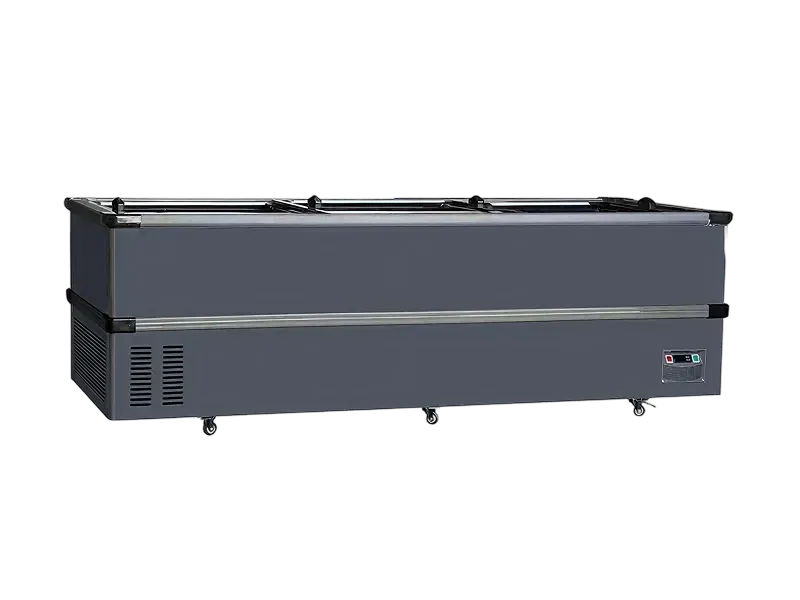
This article provides an in-depth look at how refrigerant leaks affect restaurant coolers, the signs you should watch for, the methods professionals use to detect leaks, and practical repair and maintenance strategies to keep your refrigeration system running reliably.
Refrigerant is the “circulating lifeblood” of any cooling system. A minor leak can gradually weaken the cooling capacity, but if ignored, it can lead to significant operational and financial consequences.
1. Increased energy consumption and utility bills
As refrigerant levels drop, the system loses heat-transfer efficiency. To compensate, the compressor runs longer and more frequently, resulting in noticeable increases in electricity usage—especially in kitchens where coolers operate 24/7.
2. Inconsistent temperatures and food safety risks
Temperature stability is essential in commercial kitchens. Leaks can cause temperature swings that may push food into unsafe zones, increasing the risk of spoilage and foodborne illness. This can lead to product loss, customer complaints, or even regulatory penalties.
3. Accelerated wear and possible compressor failure
Operating with insufficient refrigerant forces key components—especially the compressor—to work under abnormal conditions. Overheating, lubrication failure, and mechanical strain can lead to premature compressor burnout, often requiring costly replacement.
4. Environmental and compliance concerns
Depending on your region, refrigerant leaks may fall under environmental regulations. For example, many countries require documented leak inspections, repair verification, and proper refrigerant handling by certified technicians.
Restaurant owners and kitchen managers can often detect early indicators before a complete breakdown occurs. Pay attention to these signs:
1. Slow cooling and failure to reach set temperature
If the cooler takes noticeably longer to recover temperature after door openings or loading, refrigerant level may be low.
2. Ice or frost accumulation on evaporator coils
A leak can cause coil temperatures to drop below freezing, leading to frost buildup and restricted airflow.
3. Unusual noises from the refrigeration system
Hissing or bubbling sounds near copper lines, valve connections, or the evaporator can indicate refrigerant escaping from small gaps.
4. Presence of oily residue
Refrigerant oil often leaks along with the gas. If you see greasy spots around joints or tubing, a leak is likely present.
5. Higher energy bills without increased kitchen activity
Sudden spikes in electricity cost are often linked to a constantly running compressor struggling to maintain temperature.
6. Frequent service alarms or temperature fault codes
Modern digital coolers may display warnings when pressures or temperatures fall out of normal range.
If two or more of these symptoms appear, inspection should be scheduled immediately.
Detecting a leak is not guesswork—professional technicians use a combination of tools and methods to pinpoint the exact source. A thorough leak detection process may include:
1. Electronic leak detection
A highly sensitive detector is used to scan around system components. These devices can identify extremely small gas concentrations, making them effective for hidden or micro leaks.
2. UV dye analysis
A fluorescent dye is added into the system and circulates along with the refrigerant. After a few hours of operation, technicians use UV light to trace the dye and identify the leak source visually.
3. Nitrogen pressure testing
The system is pressurized with dry nitrogen gas. Any pressure drop over time indicates leakage; technicians then isolate sections to pinpoint the exact spot.
4. Soap solution test
This traditional but effective method is used on accessible welds, valves, and joints. Bubbles appear wherever gas escapes through cracks or loose fittings.
5. Visual inspection using thermal imaging or moisture indicators
Some modern tools detect temperature anomalies or moisture patterns caused by refrigerant leakage, especially useful for concealed components.
A proper diagnosis not only finds the leak but also determines whether additional issues—such as corrosion, vibration damage, or overpressure—contributed to it.
Once the leak is located, a structured repair process ensures long-term reliability of the cooler:
1. Repair or replacement of faulty components
Depending on the leak’s severity, technicians may:
Tighten loose flare fittings
Replace damaged copper tubing
Repair corroded evaporator coils
Change worn-out gaskets or Schrader valves
Re-weld cracked connections
2. Vacuuming and dehydration of the system
Moisture inside the refrigeration circuit can cause ice formation, acid buildup, and compressor damage. The system is evacuated using a deep vacuum pump until proper micron levels are reached.
3. Recharge with the correct refrigerant type and quantity
Using the wrong refrigerant type or incorrect charge level can drastically reduce performance. Technicians refill according to manufacturer specifications and verify proper superheat/subcooling values.
4. Performance testing and calibration
After recharging, the technician monitors:
Temperature recovery speed
Suction and discharge pressure
Compressor cycling behavior
Evaporator coil temperature
System amperage draw
This ensures the cooler returns to stable and efficient operation.
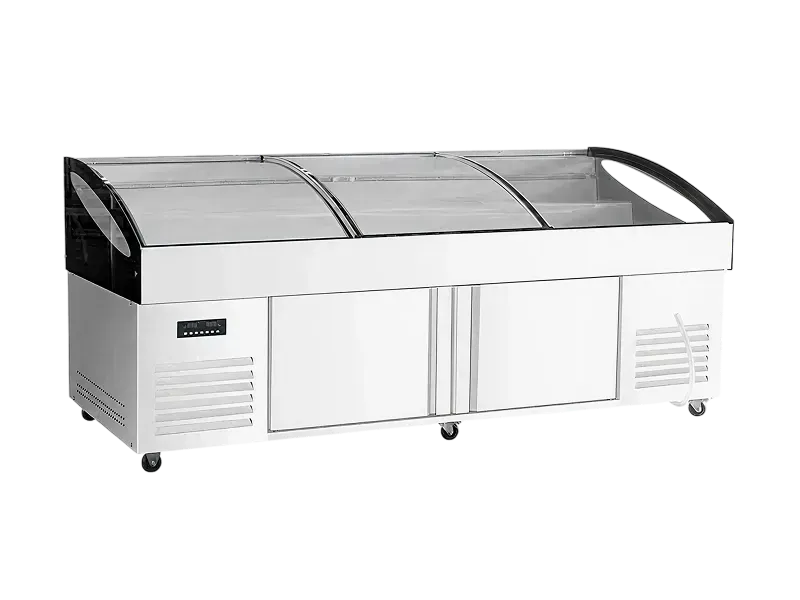
Because restaurant coolers work under heavy use, proactive maintenance is essential. The following practices significantly reduce the chance of future leaks:
1. Schedule professional maintenance at least twice a year
Regular inspections catch developing issues before they become major failures.
2. Keep condenser coils clean and free from grease buildup
Grease, dust, and kitchen vapors can accumulate and force the system to work harder, increasing pressure and leak risk.
3. Inspect door gaskets, hinges, and seals
Poor sealing makes the cooler run more often, raising internal pressure and mechanical wear.
4. Ensure proper ventilation around the cooler
Overheating due to blocked airflow increases compressor stress.
5. Avoid overloading shelves or blocking evaporator airflow
Poor internal circulation causes temperature unevenness and excessive frost formation.
6. Train kitchen staff to recognize early warning signs
Even basic awareness—such as noticing odd noises or slow cooling—helps report problems early.
Refrigerant leaks might begin as small performance issues, but they have far-reaching consequences for restaurant operations. From wasted energy and rising utility costs to food safety risks and equipment damage, the impact can quickly become costly. Understanding the symptoms, scheduling timely inspections, and working with qualified HVACR professionals is the best way to protect your investment and maintain consistent cooling performance.
If your restaurant cooler has been showing signs of inefficiency or you suspect a refrigerant leak, an early diagnosis and repair service will save both time and money—while keeping your kitchen running smoothly.
Maximizing Pallet Density in Cold Storage Without Compromising Airflow
2026-09-14Cold Storage Lifecycle: When to Repair vs. Replace Aging Coolers
2026-09-07Portable Cold Storage Units: Flexible Solutions for Seasonal Inventory Peaks
2026-08-317 Signs Your Cold Storage Is Wasting Energy and How to Fix Them
2026-08-24Address: China · Shandong Province · Binzhou Detailed Address
Email: tzy@tzykitchenware.com
Phone: +8618754395173

Kitchen equipment
High-performance quality kitchen equipment supplier
Innovative and durable kitchen solutions for chefs and foodservice businesses


Call / Email
+8618754395173
tzy@tzykitchenware.com
Visit Our Office
China · Shandong Province · Binzhou Detailed Address


