Cold storage facilities are among the most energy-intensive systems in any commercial kitchen or food warehouse. Yet many operators overlook subtle clues that their refrigeration units are bleeding electricity with every cycle. Recognizing these signs early can save thousands in utility bills and prevent premature equipment failure. In this guide, we’ll walk you through seven clear indicators that your cold storage is wasting energy—and provide actionable fixes for each. TZY Kitchenware, a trusted name in refrigeration solutions, recommends these checks as part of routine maintenance to optimize performance and cut costs.
One of the first signs of energy waste is a compressor that turns on and off far more often than it should. Short cycling means the system never reaches a stable, efficient operating state. Each start-up draws a spike of power, and frequent starts add up quickly.
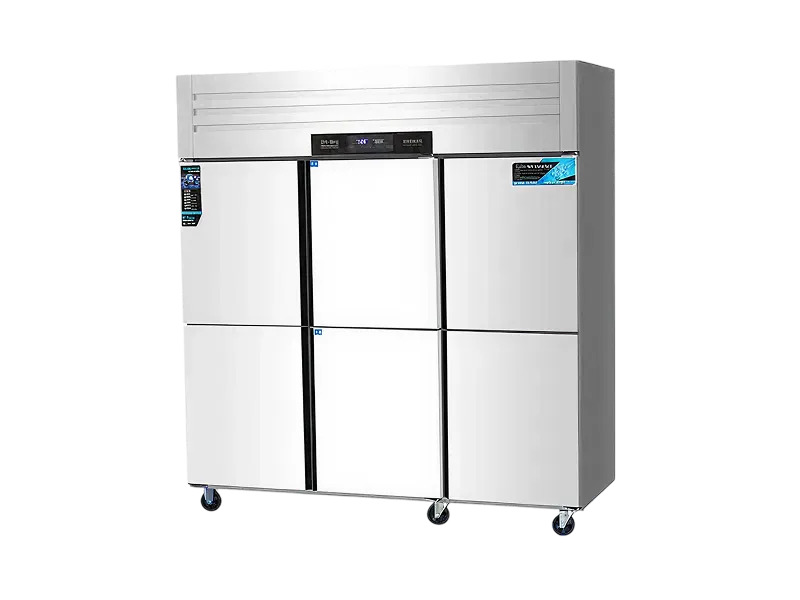
Evaporator and condenser fans should cycle with the compressor or be controlled by a dedicated thermostat. If fans run 24/7, they are wasting electricity and pushing heat into the space unnecessarily.
Visible frost on evaporator coils, ice on floors, or water pooling near doors indicates poor door seals, high humidity infiltration, or inadequate defrost scheduling. Every drop of condensation that forms has been pulled from the air by the refrigeration system, costing energy twice—first to cool the moisture out of the air, then to defrost it.
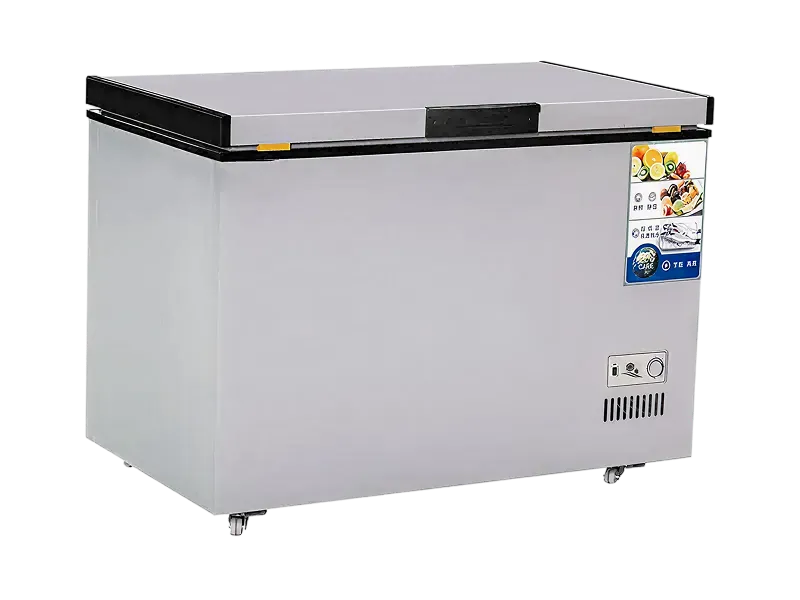
The small liquid line that runs between the condenser and expansion valve should feel warm, not hot. If it is excessively hot, the system may have a restricted filter drier or a non‑condensable gas (air or moisture) in the refrigerant loop. Both conditions force the compressor to run at higher pressure, escalating energy use.
If your digital thermometer swings more than 3–4°F (1.5–2°C) from the set point during normal operation, the system is struggling. Fluctuations force the compressor to run extra cycles to recover, wasting energy and risking food safety.
Banging, hissing, or grinding sounds are not normal. A refrigerant line that vibrates excessively, a loose motor mount, or a failing compressor bearing all reduce efficiency as the system fights mechanical friction.
Even if none of the above signs are obvious, a steady increase in monthly electric bills without a corresponding change in usage volume is a red flag. Often, the culprit is a gradual loss of insulation value or a slow refrigerant leak that has been overlooked.
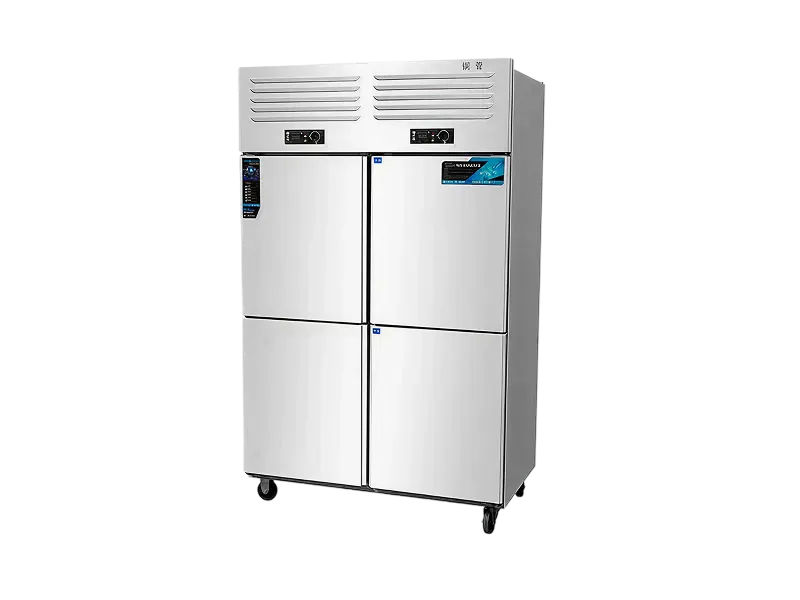
Ignoring these seven signs doesn’t just increase your operating costs—it accelerates wear on your refrigeration equipment, leading to costly emergency repairs. Most of the fixes listed here are low‑cost or no‑cost adjustments that pay back within months. For more complex issues, partner with an experienced provider like TZY Kitchenware, who can recommend upgrades—such as variable‑speed drives, improved door seals, or modern control systems—that transform an energy‑hogging cold storage into a lean, efficient asset. Monitor your system weekly, document trends, and act promptly on any of these red flags. Your utility bill—and your bottom line—will thank you.
Why Dual-Compressor Cold Storage Saves Your Budget During Peak Season
2026-10-05Cold Storage Fire Safety: Essential Systems for Low-Temperature Warehouses
2026-09-28How Humidifiers Improve Cold Storage Freshness: Myths vs. Facts
2026-09-21Maximizing Pallet Density in Cold Storage Without Compromising Airflow
2026-09-14Address: China · Shandong Province · Binzhou Detailed Address
Email: tzy@tzykitchenware.com
Phone: +8618754395173

Kitchen equipment
High-performance quality kitchen equipment supplier
Innovative and durable kitchen solutions for chefs and foodservice businesses


Call / Email
+8618754395173
tzy@tzykitchenware.com
Visit Our Office
China · Shandong Province · Binzhou Detailed Address


