A horizontal refrigerator that can switch between fridge and freezer duty solves a problem most kitchens run into sooner or later: storage capacity that never matches what you actually need to store. Buy a chest freezer and it sits half empty for months; buy a display fridge and there is nowhere to put bulk meat when a good deal comes along. A convertible horizontal refrigerator, sometimes called a dual-mode chest refrigerator, closes that gap by letting the same cabinet run at fresh-food temperatures or drop into deep-freeze range. Whether that flexibility is worth paying for depends on how you plan to use it. What follows is a practical breakdown of how the conversion works, what changes in each mode, and how to choose the right unit.
Conversion is not a mechanical trick. In most horizontal units, the cabinet uses a single hermetically sealed compressor paired with an electronic thermostat that accepts a wide setpoint range, often spanning roughly -18°C to +10°C. The compressor, condenser fan, and evaporator coil are sized to hold the coldest setting in that range, so lowering the setpoint simply asks the system to run longer and cycle differently. There is no second cooling circuit and no separate freezer compartment to activate.
What does change between modes is how the unit manages humidity and air movement. In fridge mode the compressor cycles more frequently at low load, which keeps the interior around 2°C to 5°C without frosting the walls. In freezer mode the evaporator surface runs well below freezing, so frost builds on the liner and periodic manual defrosting becomes part of ownership. That single detail is the main reason buyers underestimate the difference between the two modes.
Not every convertible horizontal refrigerator converts the entire cabinet. Two designs exist:
For households that entertain or buy meat in bulk, the dual-zone configuration is usually the version that justifies the conversion feature. For a single-purpose overflow unit, a single-zone model does the same job for less money.
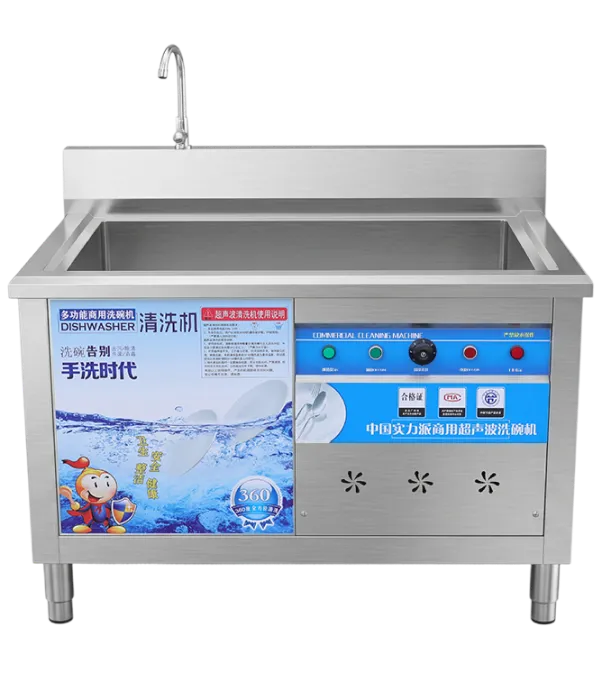
The setpoint is only the headline. Storage behaviour, food safety rules, and energy draw all shift when you move the dial.
| Factor | Fridge mode | Freezer mode |
|---|---|---|
| Typical setpoint | 0°C to +5°C | -18°C or lower |
| Best suited to | Produce, drinks, dairy, chilled prep | Meat, seafood, frozen goods, ice |
| Defrosting | Rare, minimal frost | Regular manual defrost required |
| Energy use | Lower, short compressor cycles | Higher, longer run times |
| Access style | Lid or door, top-down reach | Same, but frozen contents stick together |
One practical warning: conversion is not a fast switch. A fully loaded cabinet can take a day or more to move from fridge temperature down to stable freezing, and food already inside is at risk during that window. Treat mode changes as a planned event, not an everyday adjustment.
Convertibility is often marketed as pure convenience. In practice, the value shows up in four specific ways:
The trade-off is that horizontal cabinets hold less than a vertical unit of the same footprint above counter height, and reaching the bottom of a deep chest requires effort. Those are the costs of the format, not the conversion feature.
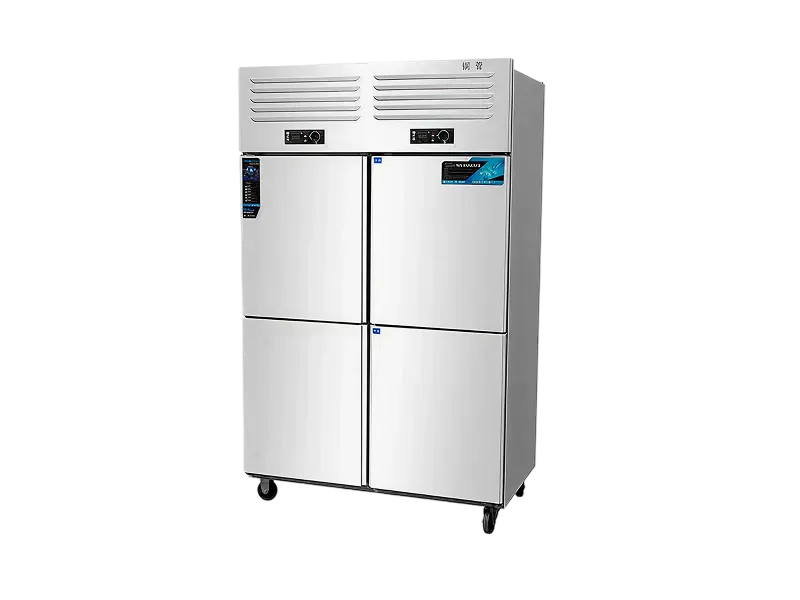
Freezer mode suits buyers who purchase protein in bulk, process game, or stock frozen prepared meals. The key requirements are a stable setpoint of -18°C or below, adequate insulation, and a genuine defrost routine. Frost thicker than about 5 mm on the liner noticeably reduces cooling efficiency and should be cleared promptly.
Fridge mode works best for high-turnover items: bottled drinks, produce waiting to be prepped, dough proofing, or chilled ingredients in a small commercial setup. Because horizontal cabinets are typically not frost-free, keep uncovered liquids and open containers out of the direct air path and use sealed bins.
The sensible rhythm for most owners is one or two conversions a year. Empty the cabinet, let the interior reach the new setpoint, and reload. A written note of the target temperature pasted inside the lid prevents accidental misuse by staff or family members.
Buyers comparing suppliers for volume orders or private-label projects will find that sourcing partners such as TZY Kitchenware can specify setpoint range, insulation thickness, and divider configuration at the factory level rather than forcing a choice from a fixed catalogue. That matters when the same horizontal cabinet needs to serve different markets or temperature requirements.
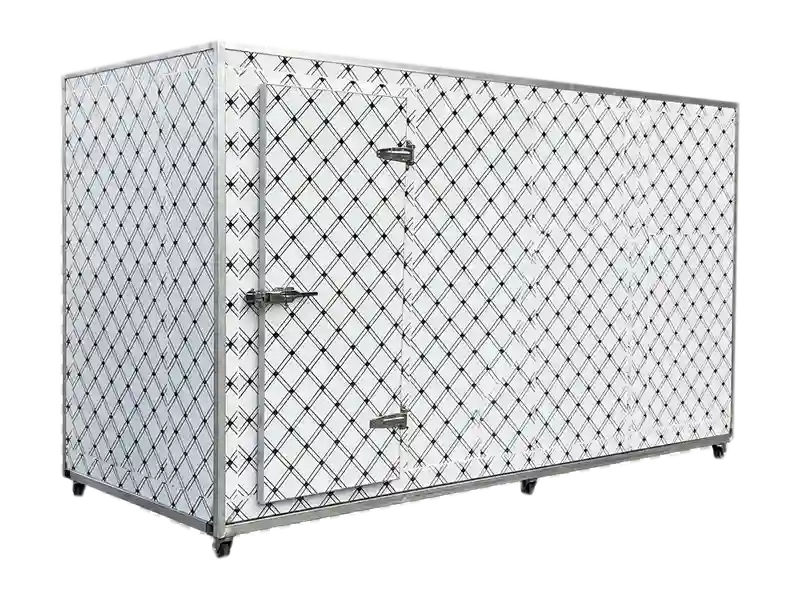
Only dual-zone models can do this, because they separate the cavity into two independently controlled sections. A single-zone unit runs one temperature throughout, so the whole cabinet is either a fridge or a freezer.
Cooling is slower in one direction than the other. Warming a cabinet from -18°C up to 4°C typically takes several hours once the setpoint is raised, while cooling from fridge to freezer temperature usually takes longer, sometimes most of a day for a fully loaded unit.
Yes, generally. Freezer mode demands much longer compressor run times and more frequent defrosting, so the same cabinet draws noticeably more energy at -18°C than at 3°C.
It can if the change is handled carelessly. Never adjust the setpoint upward with frozen food still inside and assume it will be fine; thawed and refrozen food loses quality and, in some cases, safety. Empty the cabinet before converting, or move the contents to another cooling unit.
The honest answer to "fridge or freezer" is that a convertible horizontal refrigerator is not a compromise between the two. It is a cabinet that can commit fully to either role, one role at a time, with the change of a setpoint. Buyers who need both functions simultaneously should be looking at dual-zone models or two separate appliances; buyers whose needs shift with the season get the most value from a single-zone convertible unit.
Judge a candidate unit on its setpoint range, insulation, compressor quality, and defrost practicality rather than on the word on the label. Get those four right, and the same horizontal cabinet will serve as a reliable freezer through one season and a hard-working fridge the next.
Address: China · Shandong Province · Binzhou Detailed Address
Email: tzy@tzykitchenware.com
Phone: +8618754395173

Kitchen equipment
High-performance quality kitchen equipment supplier
Innovative and durable kitchen solutions for chefs and foodservice businesses


Call / Email
+8618754395173
tzy@tzykitchenware.com
Visit Our Office
China · Shandong Province · Binzhou Detailed Address
