Temperature fluctuations in cold storage can lead to product degradation, energy waste, and compliance failures. For businesses relying on precise cold chain management, even a few degrees of variance can result in significant financial losses. Modern cold storage systems have evolved to address these specific challenges through advanced insulation, intelligent controls, and robust refrigeration mechanisms. This article examines five critical temperature fluctuation problems faced by cold storage operators and how modern solutions—such as those offered by TZY Kitchenware—effectively resolve them.
Traditional cold storage often suffers from thermal bridging, where heat penetrates through structural elements like metal frames or poorly sealed panel joints. This creates localized warm spots that cause condensation, frost buildup, and uneven temperatures.
Modern cold storage facilities utilize insulated metal panels with thermal breaks and continuous seals. Polyurethane foam with high R-values is injected between metal skins, eliminating thermal bridging. TZY Kitchenware custom-engineers its cold storage panels with tongue-and-groove locking mechanisms that maintain airtight integrity even in extreme temperature differentials. The result is uniform temperature distribution across the entire storage space.
Every time a cold storage door opens, warm moist air rushes in, causing immediate temperature spikes and subsequent recovery lag. In high-traffic environments, these fluctuations can be severe enough to compromise product shelf life.
Modern cold storage facilities incorporate high-speed roll-up doors that minimize open time to under 3 seconds. Air curtains with adjustable velocity and angle are installed above doorways to create an invisible barrier. TZY Kitchenware integrates its cold storage units with smart door controllers that pre-cool the vestibule and activate the air curtain only when needed, reducing temperature recovery time by up to 60% compared to conventional designs.
Standard defrost cycles in older refrigeration systems operate on fixed timers, leading to unnecessary temperature rises when defrosting occurs during peak cooling demand. Conversely, insufficient defrosting causes evaporator ice buildup and reduced cooling efficiency.
Modern controllers use sensors to monitor evaporator coil temperature, airflow, and ice formation. Defrost is initiated only when actual icing is detected, and the cycle stops the moment the coil is clear. TZY Kitchenware cold rooms feature adaptive defrost logic that lowers energy consumption by 25% while keeping temperature fluctuations under ±0.5°C during the defrost event.
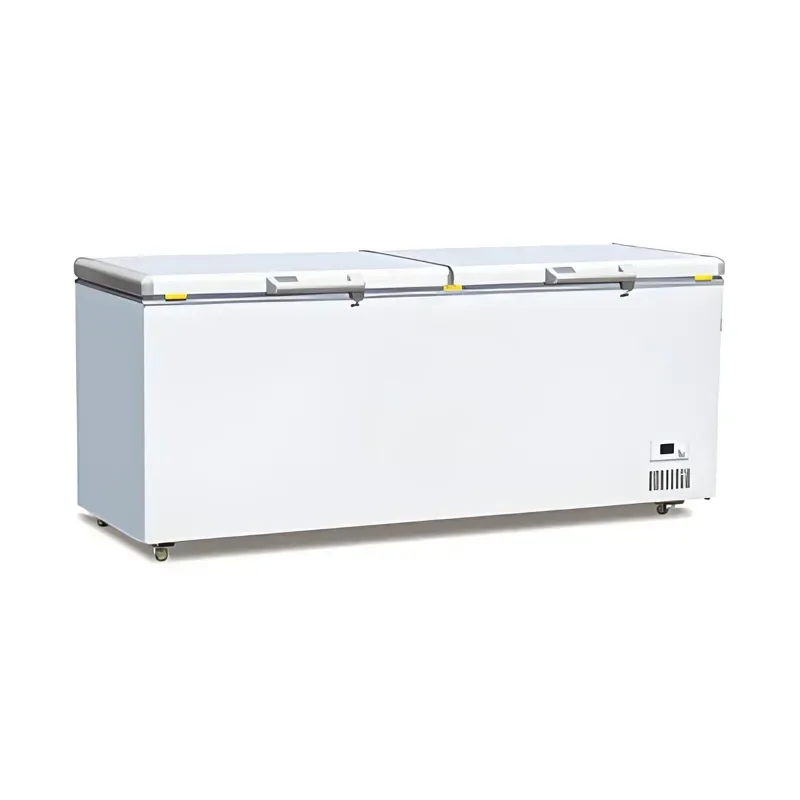
Stagnant air pockets near the back of storage rooms or around tall pallets cause temperature stratification. In cold storage, the difference between floor and ceiling temperatures can exceed 3°C, creating zones where products are over-chilled or under-chilled.
Modern cold storage manufacturers use CFD modeling to design airflow paths that ensure uniform distribution. Linear slot diffusers placed at optimal heights, combined with variable-speed fans, maintain a consistent temperature throughout. TZY Kitchenware applies CFD analysis to every custom cold room design, achieving temperature variance of less than ±1.0°C across the entire volume, even with densely packed shelving.
Improper refrigerant charge—either overcharge or undercharge—leads to inefficient heat exchange and unstable suction pressure. This causes the compressor to cycle erratically, producing temperature swings that can spoil sensitive goods.
Modern refrigeration systems replace mechanical thermostatic expansion valves with EEVs that continuously adjust refrigerant flow based on superheat and evaporator load. An integrated controller matches the charge to real-time demand. TZY Kitchenware cold storage systems include remote monitoring that alerts operators to any refrigerant anomalies, ensuring consistent superheat control and negligible temperature variation.
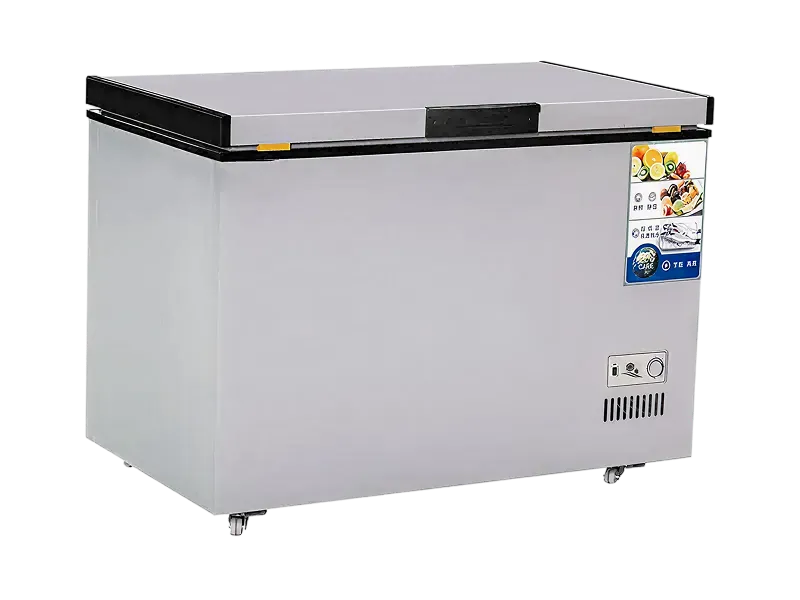
The five critical temperature fluctuation problems outlined above—thermal bridging, door-induced spikes, defrost drift, uneven air distribution, and refrigerant mismatch—can all be effectively managed by modern cold storage technology. By investing in advanced insulation, smart controls, and optimized system design, businesses can maintain product integrity, reduce energy costs, and comply with strict regulatory standards. TZY Kitchenware offers a comprehensive range of custom-engineered cold storage solutions that address each of these challenges with proven performance. For a detailed consultation on your specific temperature control requirements, contact the TZY Kitchenware team today.
Maximizing Pallet Density in Cold Storage Without Compromising Airflow
2026-09-14Cold Storage Lifecycle: When to Repair vs. Replace Aging Coolers
2026-09-07Portable Cold Storage Units: Flexible Solutions for Seasonal Inventory Peaks
2026-08-317 Signs Your Cold Storage Is Wasting Energy and How to Fix Them
2026-08-24Address: China · Shandong Province · Binzhou Detailed Address
Email: tzy@tzykitchenware.com
Phone: +8618754395173

Kitchen equipment
High-performance quality kitchen equipment supplier
Innovative and durable kitchen solutions for chefs and foodservice businesses


Call / Email
+8618754395173
tzy@tzykitchenware.com
Visit Our Office
China · Shandong Province · Binzhou Detailed Address


