Cold storage facilities and low-temperature warehouses present unique fire safety challenges due to subzero environments, dense insulation, and limited human occupancy. Unlike standard buildings, these spaces require specially engineered systems that can function reliably in extreme cold while maintaining strict temperature controls for stored goods. Understanding the essential fire protection components — from detection to suppression — is critical for warehouse managers, facility owners, and safety officers who must balance operational efficiency with life safety and property protection.
Low-temperature warehouses create conditions that amplify certain fire hazards. The combination of polyurethane or polystyrene insulation panels (often combustible), electrical equipment in freezing conditions, and limited airflow can accelerate fire spread if not properly managed. Additionally, the extreme cold affects both the behavior of a fire — which may burn differently due to reduced oxygen or moisture — and the performance of conventional fire safety equipment. For example, standard sprinkler systems may freeze, and detection devices can become sluggish. A thorough risk assessment should consider not only the stored commodities but also the building materials, refrigeration machinery, and maintenance practices unique to cold storage operations.
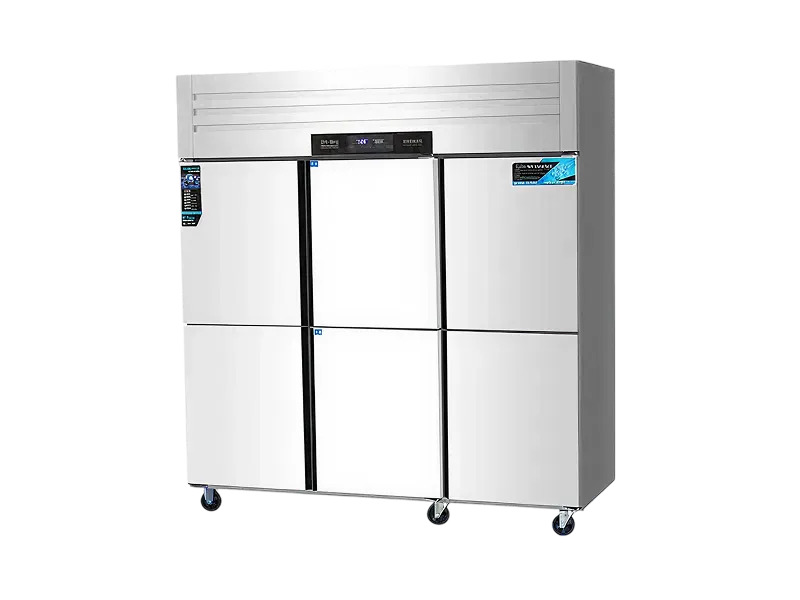
Effective cold storage fire safety relies on a layered approach combining active and passive systems. Below are the core components that every low-temperature warehouse should incorporate.
Early detection is paramount, yet typical smoke detectors suffer from condensation and ice buildup in below-freezing environments. Specialized cold storage smoke detectors use heated housings or aspirating systems that sample air and warm it before analysis. Heat detectors remain a reliable alternative, but they must be rated for low-temperature operation. Integration with a central alarm system ensures rapid notification to on-site personnel and emergency responders. For unmanned facilities, automatic dialers or cellular alarms are recommended.
Suppression in cold storage involves unique engineering. Wet-pipe sprinkler systems are unsuitable because water in pipes can freeze and burst. Instead, dry-pipe or pre-action sprinkler systems are used, where water is held back by a valve and released only after a detection event. These systems require careful design to prevent ice formation in pipes and to ensure adequate water flow in subzero temperatures. Clean agent suppression (e.g., FM-200, Novec 1230) or inert gas systems are also viable options in confined areas such as electrical rooms or control panels, as they do not freeze and leave no residue. However, they must be sized correctly to maintain oxygen levels safe for personnel.
Building materials play a critical role. Insulation panels should be fire-rated with low flame spread indices and, ideally, include a metal facing that acts as a barrier. Compartmentalization using fire-rated walls and doors limits fire and smoke spread. All penetrations for pipes, cables, and ducts must be sealed with intumescent sealants that remain flexible at low temperatures. Additionally, emergency lighting and exit signage must be designed for freezing conditions and remain illuminated during power failures.
Implementing these systems requires overcoming several technical hurdles specific to low-temperature warehouses.
Batteries in alarm panels and emergency lights lose capacity in cold environments. Heated enclosures or remote location of sensitive electronics is necessary. Similarly, sprinkler system air compressors must be rated for continuous operation in freezers. Regular testing during winter months helps identify performance degradation before it leads to failure.
Cold storage environments accelerate wear on mechanical components due to thermal cycling and condensation. NFPA standards (e.g., NFPA 13, NFPA 72) provide guidance, but facility-specific maintenance schedules should include more frequent inspections of dry-pipe valves, detection devices, and fire doors. Ice removal from sprinkler heads and detectors must be handled carefully to avoid damaging the equipment.
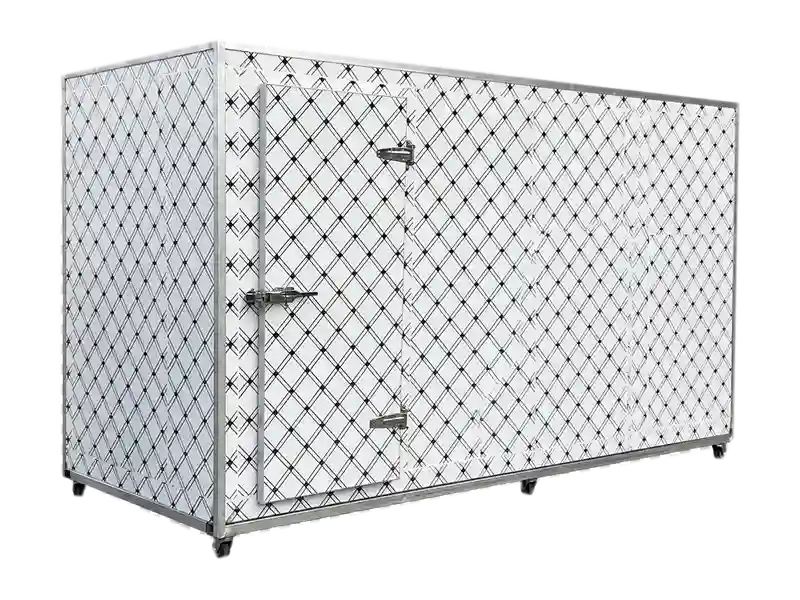
While TZY Kitchenware is primarily known for its premium kitchen solutions, the company applies the same rigorous engineering principles to provide integrated fire safety systems for cold storage facilities. Their team works with facility owners to assess specific risks — whether the warehouse stores frozen food, pharmaceuticals, or other temperature-sensitive goods — and recommends a tailored combination of detection, suppression, and passive protection. By partnering with certified installers and following global best practices, TZY Kitchenware helps clients achieve compliance with local fire codes while maintaining optimal operational efficiency. Their solutions emphasize reliability in extreme conditions, backed by ongoing support and maintenance plans.
Cold storage fire safety demands a proactive, system-level approach that accounts for the unique physics and operational constraints of low-temperature warehouses. From specialized detection to dry-pipe sprinklers and fire-rated construction, every component must be carefully selected and maintained. Failure to address these factors can result in catastrophic property loss, business interruption, and endangerment of personnel. By consulting experienced providers like TZY Kitchenware and adhering to recognized standards, warehouse operators can significantly reduce fire risk and protect both their assets and their people.
Cold Storage Fire Safety: Essential Systems for Low-Temperature Warehouses
2026-09-28How Humidifiers Improve Cold Storage Freshness: Myths vs. Facts
2026-09-21Maximizing Pallet Density in Cold Storage Without Compromising Airflow
2026-09-14Cold Storage Lifecycle: When to Repair vs. Replace Aging Coolers
2026-09-07Address: China · Shandong Province · Binzhou Detailed Address
Email: tzy@tzykitchenware.com
Phone: +8618754395173

Kitchen equipment
High-performance quality kitchen equipment supplier
Innovative and durable kitchen solutions for chefs and foodservice businesses


Call / Email
+8618754395173
tzy@tzykitchenware.com
Visit Our Office
China · Shandong Province · Binzhou Detailed Address
