Every commercial cold storage facility eventually faces the same critical question: should you invest in repairing an aging cooler, or is it time to budget for a full replacement? The decision impacts not only operational costs but also energy efficiency, food safety compliance, and long-term asset management. Understanding the lifecycle of your cooling equipment and recognizing the telltale signs of wear can save your business thousands of dollars and prevent unexpected downtime. This guide provides a structured framework for evaluating repair versus replacement scenarios, drawing on real-world performance data and industry best practices.
Industrial coolers typically have a designed lifespan of 10 to 15 years, depending on duty cycles, ambient conditions, and maintenance history. As equipment approaches this age range, performance degradation becomes inevitable. The first step in making an informed decision is to objectively identify where your cooler stands in its lifecycle.
Regular maintenance—including coil cleaning, refrigerant pressure checks, and belt replacements—can push the functional lifespan beyond the average. However, after the 12-year mark, even well-maintained coolers often suffer from a cumulative decline in energy efficiency. A study from the Food Service Technology Center indicates that systems older than 12 years can consume 20-30% more electricity than modern Energy Star-rated units.
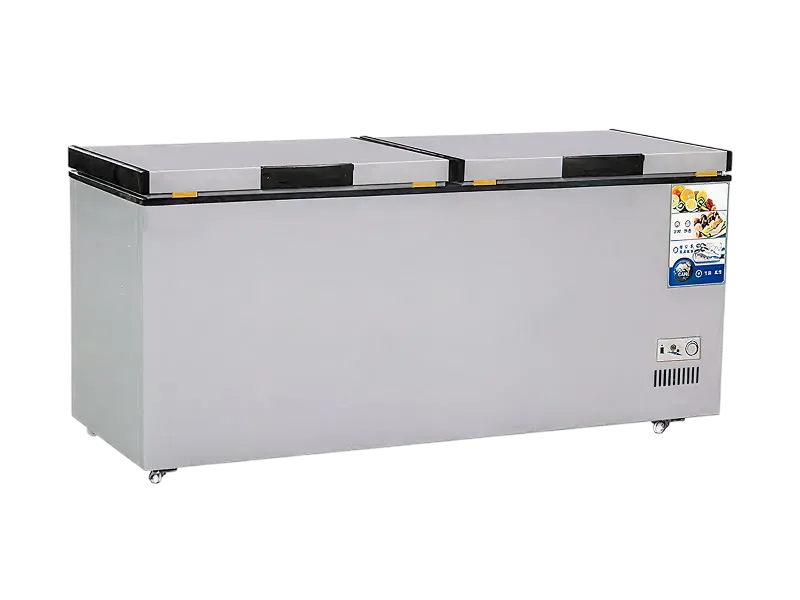
Evaluating the financial case requires looking beyond the immediate repair invoice. A comprehensive approach should factor in energy savings, maintenance frequency, and risk of catastrophic failure. Below is a structured comparison of the key decision factors.
Repair is the preferred option when the cooler is less than 8 years old, has a strong maintenance history, and the needed repair is straightforward—such as replacing a condenser fan motor or a worn contactor. In these cases, the repair cost is usually under 20% of replacement, and the remaining life expectancy justifies the investment. Additionally, if space constraints or custom ductwork make replacement logistically complex, a temporary repair can buy time for proper planning.
Procrastination often carries a penalty that is invisible on a maintenance spreadsheet. An aging cooler that still runs may be costing your business more than you realize through:
A lifecycle cost model from the American Society of Heating, Refrigerating and Air-Conditioning Engineers (ASHRAE) suggests that every year you delay replacement after the 12-year mark, the total cost of ownership increases by 8-12% on average.
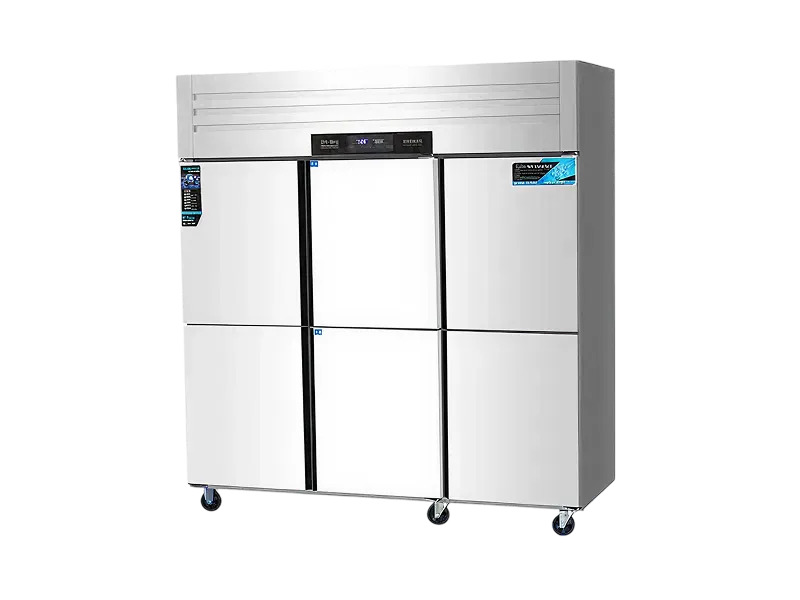
Ultimately, the repair-or-replace decision should not be made in isolation. Conduct a professional energy audit and obtain a capital equipment quote from a trusted supplier. TZY Kitchenware offers comprehensive cold storage lifecycle assessment services, helping facility managers compare repair estimates with replacement options tailored to their operational needs. Their team can provide detailed return-on-investment calculations that account for local utility rebates, tax incentives, and long-term warranty coverage. When evaluating your aging coolers, combine technical data with realistic budgeting—and never let short-term repair savings blind you to the larger picture of operational efficiency and reliability.
In summary, the decision to repair or replace an aging cooler hinges on a balanced evaluation of current repair costs, future energy savings, reliability risks, and compliance requirements. Equipment under 8 years old typically benefits from repair; units over 12 years old, especially those with repeated failures, should be considered for replacement. By applying the decision framework outlined above, facility operators can extend the value of their cold storage assets while avoiding costly disruptions.
Cold Storage Lifecycle: When to Repair vs. Replace Aging Coolers
2026-09-07Portable Cold Storage Units: Flexible Solutions for Seasonal Inventory Peaks
2026-08-317 Signs Your Cold Storage Is Wasting Energy and How to Fix Them
2026-08-24Cold Storage for Pharmaceuticals: Temperature Mapping and Validation Best Practices
2026-08-17Address: China · Shandong Province · Binzhou Detailed Address
Email: tzy@tzykitchenware.com
Phone: +8618754395173

Kitchen equipment
High-performance quality kitchen equipment supplier
Innovative and durable kitchen solutions for chefs and foodservice businesses


Call / Email
+8618754395173
tzy@tzykitchenware.com
Visit Our Office
China · Shandong Province · Binzhou Detailed Address
