Cold storage facilities are among the most energy-intensive operations in the food service and logistics sectors, yet many operators accept high utility bills as an unavoidable cost of doing business. The truth is, with the right strategies, significant energy reductions are achievable without compromising the temperature integrity that keeps inventory safe and compliant. Drawing on years of engineering insight and real-world applications—including solutions developed by TZY Kitchenware for commercial kitchens and cold chain operators—this article breaks down ten proven methods that balance efficiency with performance.
The heart of any refrigeration system is its compressor and condenser coil. Older units often use reciprocating compressors that operate at fixed speeds, consuming power even during low-load periods. Modern scroll or inverter-driven variable-speed compressors adjust capacity to match demand, reducing electricity use by 20–35% in many installations. TZY Kitchenware recommends conducting a load profile analysis before retrofitting; pairing a high-SEER condenser with an appropriately sized evaporator eliminates short-cycling and minimizes frost buildup.
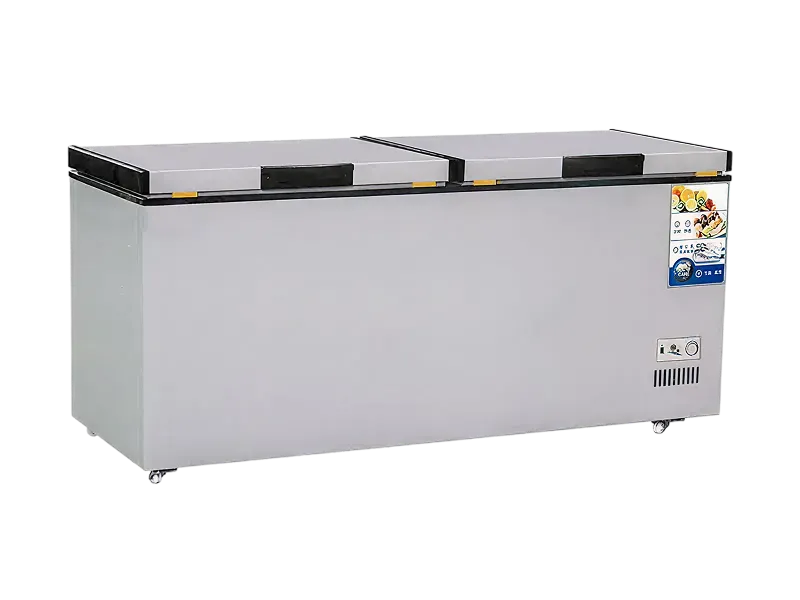
Every time a cold storage door opens, conditioned air escapes and warm, humid air enters, forcing the refrigeration system to work harder. Install automatic door closers, strip curtains, or high-speed roll-up doors on frequently accessed units. Inspect door gaskets monthly for gaps or tears—replacing a worn gasket can save up to 15% of cooling energy. For walk-in coolers, consider adding a magnetic strip seal as a secondary barrier; TZY Kitchenware offers retrofit kits designed for commercial-grade freezers and coolers.
Time-based defrost cycles are wasteful because they activate regardless of actual frost accumulation. A defrost-on-demand system uses sensors to detect ice buildup and initiates defrost only when necessary. This can reduce defrost-related energy consumption by 40–50%. Facilities using ammonia or CO₂ systems can further benefit by integrating hot-gas defrost with floating suction pressure controls.
Raising the set point by even 1°C (1.8°F) can cut energy use by 2–4% without affecting food safety for most products stored below 4°C. Review HACCP guidelines to identify the highest safe temperature for your specific inventory. For frozen storage, consider moving from -25°C to -23°C if product specifications allow. Use calibrated digital thermometers to verify actual conditions and avoid drift.
For facilities with high traffic (loading docks, dispatch areas), an air curtain creates an invisible barrier of forced air that separates indoor cold air from outdoor warm air. Combined with a vestibule (airlock), this configuration reduces infiltration by up to 80%. TZY Kitchenware integrates energy-efficient axial fans into their modular cold rooms, maintaining laminar airflow without excessive motor draw.
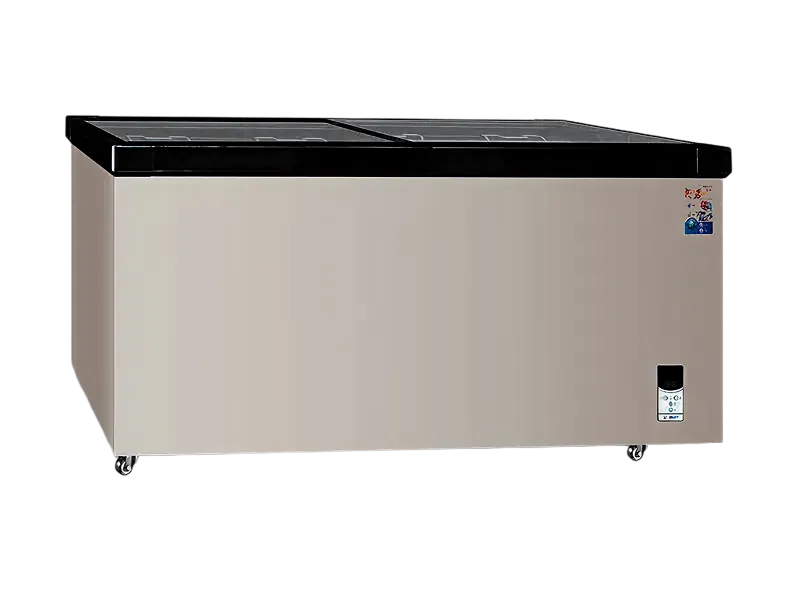
During off-peak hours or when the facility is unoccupied, you can safely raise the temperature setpoint by 2–3°C (provided inventory isn't unpacked). Many modern controllers allow programmable schedules. Additionally, enrolling in a demand-response program with your utility can yield financial incentives for reducing load during peak events—your refrigeration system can be pre-cooled before the event and allowed to coast through the peak period.
The thermal envelope is often overlooked. Add at least 2 inches of closed-cell polyurethane foam to walls and ceilings where R-value is below R-30. Ensure the vapor barrier is intact on the warm side to prevent moisture migration, which degrades insulation over time. Reflective roof coatings can reduce solar heat gain, cutting cooling load by 5–10%. TZY Kitchenware uses high-density panels with continuous vapor sealing in their cold room designs to maintain long-term efficiency.
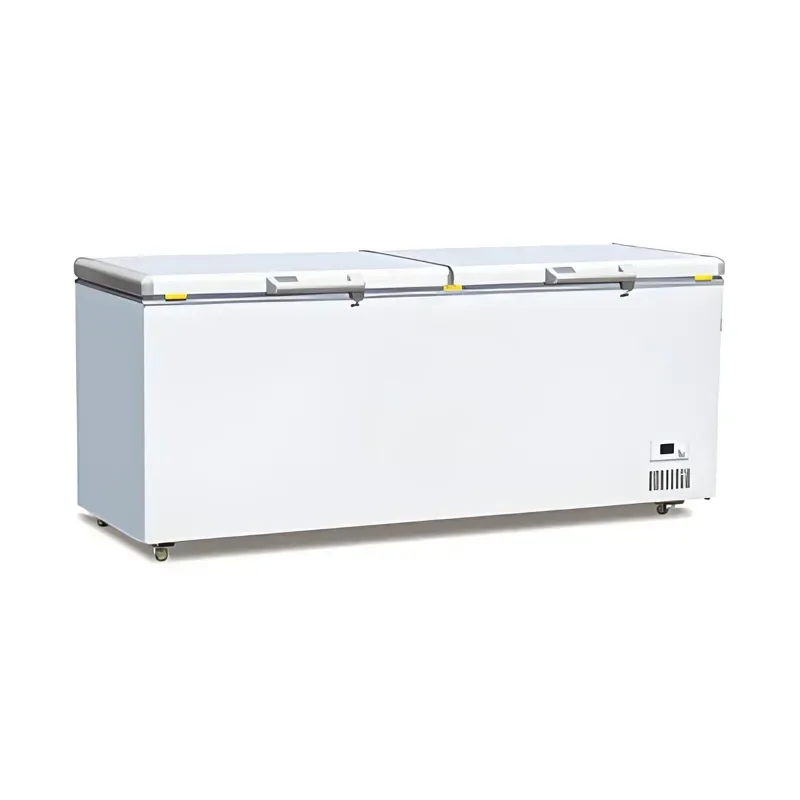
Evaporator fans run nearly continuously; replacing standard shaded-pole motors with electronically commutated (EC) motors can cut fan energy consumption by 60–70% while improving airflow distribution. EC motors also generate less heat, reducing the load on the refrigeration circuit. Pair this with clean, unobstructed coil fins to maintain proper heat exchange.
The heat rejected by refrigeration compressors can be captured and redirected to preheat hot water for cleaning, space heating in dock areas, or even defrost operations. Plate heat exchangers or desuperheaters can recover up to 25% of waste heat. This approach transforms a cost center (energy consumption) into a resource, lowering net operational expenses.
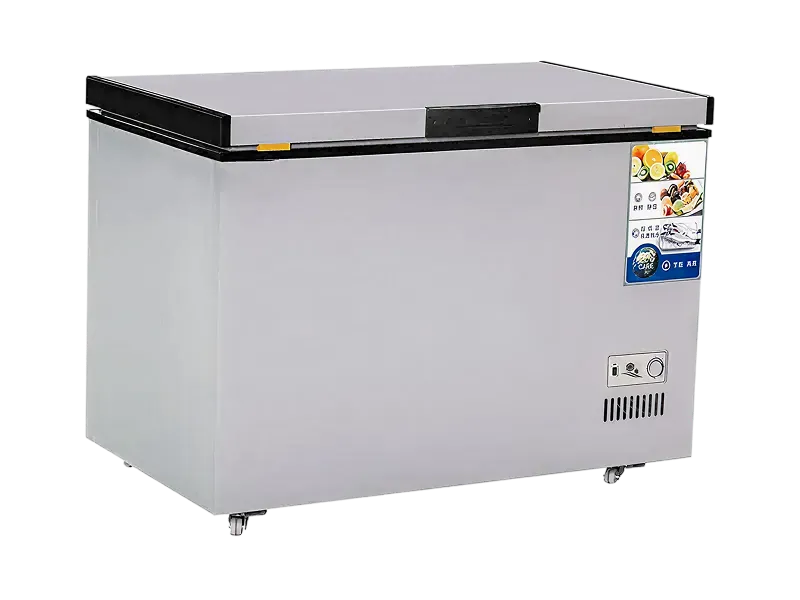
Even the best equipment will drift out of optimum efficiency without routine care. Establish a schedule that includes cleaning condenser coils (dust accumulation can increase energy use by 10–20%), checking refrigerant charge, calibrating controls, and inspecting door seals. Install energy monitoring software to track kWh per cubic meter of storage; anomalies in the data often point to failing components before they cause temperature excursions. TZY Kitchenware supports clients with remote diagnostic tools that flag efficiency drops in real time.
Reducing energy consumption in cold storage is not about making sacrifices—it is about making smart, targeted investments in equipment, controls, and operational discipline. Each of the ten strategies above can deliver measurable savings while preserving the consistent, reliable temperatures your products require. For commercial kitchen operators and cold chain managers, partnering with a supplier like TZY Kitchenware ensures that every upgrade is engineered for both efficiency and durability, helping you achieve a faster return on investment.
Blast Freezing vs. Slow Freezing: Which Cold Storage Method Preserves Better?
2026-10-12Why Dual-Compressor Cold Storage Saves Your Budget During Peak Season
2026-10-05Cold Storage Fire Safety: Essential Systems for Low-Temperature Warehouses
2026-09-28How Humidifiers Improve Cold Storage Freshness: Myths vs. Facts
2026-09-21Address: China · Shandong Province · Binzhou Detailed Address
Email: tzy@tzykitchenware.com
Phone: +8618754395173

Kitchen equipment
High-performance quality kitchen equipment supplier
Innovative and durable kitchen solutions for chefs and foodservice businesses


Call / Email
+8618754395173
tzy@tzykitchenware.com
Visit Our Office
China · Shandong Province · Binzhou Detailed Address


