Compliance in cold storage is not merely a regulatory checkbox for the food and pharmaceutical industries—it is the bedrock of product safety, efficacy, and brand trust. A single temperature excursion can compromise millions of dollars of vaccine stock or render perishable food unsafe. Yet, navigating the complex web of FDA, EMA, HACCP, and GMP requirements while maintaining operational efficiency challenges even seasoned facilities managers. This comprehensive guide breaks down the core pillars of cold storage compliance, from temperature mapping to material selection, and explains how TZY Kitchenware’s engineered solutions help companies meet the highest standards without sacrificing productivity.
Cold storage compliance encompasses all measures that ensure stored products remain within specified temperature ranges throughout their lifecycle. For pharmaceuticals, bodies like the FDA (21 CFR Part 211) and EMA (Good Distribution Practice) mandate strict temperature control and documentation. In the food sector, HACCP principles require critical control points for cold storage, with USDA and local health authorities enforcing standards. Non-compliance leads to product loss, recalls, legal liability, and reputational damage. The core risk factors include equipment failure, human error, power outages, and improper facility design.
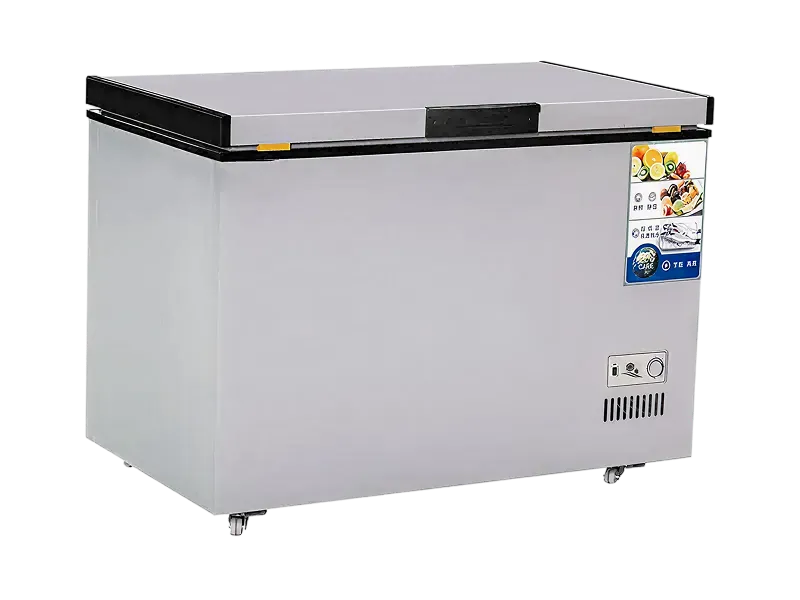
Precise temperature control is non-negotiable. However, compliance goes beyond setting a thermostat. Facilities must implement validated monitoring systems that record data at defined intervals, trigger alarms when temperatures drift, and store records for regulatory review. Key elements include:
Temperature mapping studies—conducted during initial qualification and periodically thereafter—identify hot and cold spots within the cold room. Sensors must be placed where products are actually stored, not just near the cooling unit. For pharmaceutical cold rooms, mapping is required under worst-case conditions (e.g., full load, empty, door openings).
An effective alarm system provides both local audio/visual signals and remote notifications (e.g., SMS, email). It must have battery backup and be tested regularly. In food facilities, alarms typically trigger at ±1°C of the setpoint; in pharma, tighter tolerances apply. Every alarm must be logged along with the corrective action taken—this is critical for audit trails.
21 CFR Part 11 compliance (for pharma) means electronic records must be secure, auditable, and tamper-proof. Data loggers or building management systems (BMS) should record temperature every 5-15 minutes. Calibration of sensors must be traceable to national standards, with certificates kept on file.
The physical structure of a cold room directly affects its ability to maintain stable temperatures and hygienic conditions. Whether you are building a new facility or retrofitting, the following design criteria are essential:
High-density polyurethane or PIR panels with a minimum thickness of 100mm are standard. A continuous vapor barrier prevents moisture ingress that leads to ice buildup and structural damage. Joints and corners must be sealed with FDA-approved silicone or gaskets to eliminate crevices where bacteria can grow.
Surfaces must be smooth, non-porous, resistant to cleaning chemicals, and capable of withstanding frequent washdowns. Stainless steel or coated metal panels are preferred. Floor drains with traps and sloped floors (at least 1:100) allow efficient drainage and prevent standing water—a common source of microbial growth.
Doors are the weakest point in any cold room. Rapid-roll doors with insulated panels and heated gaskets minimize temperature loss during frequent access. Automatic closing mechanisms and interlocking doors (e.g., vestibules) help maintain stability. For pharmaceutical cleanrooms, doors should have window panels for visibility and be compatible with RFID access control.
Redundancy is key: a backup refrigeration unit or generator prevents product loss during equipment failure. Evaporators with defrost cycles designed to avoid temperature spikes, and condensers placed outside the cold room to reduce heat load, improve efficiency. Systems should be sized based on peak load calculations, not average usage.
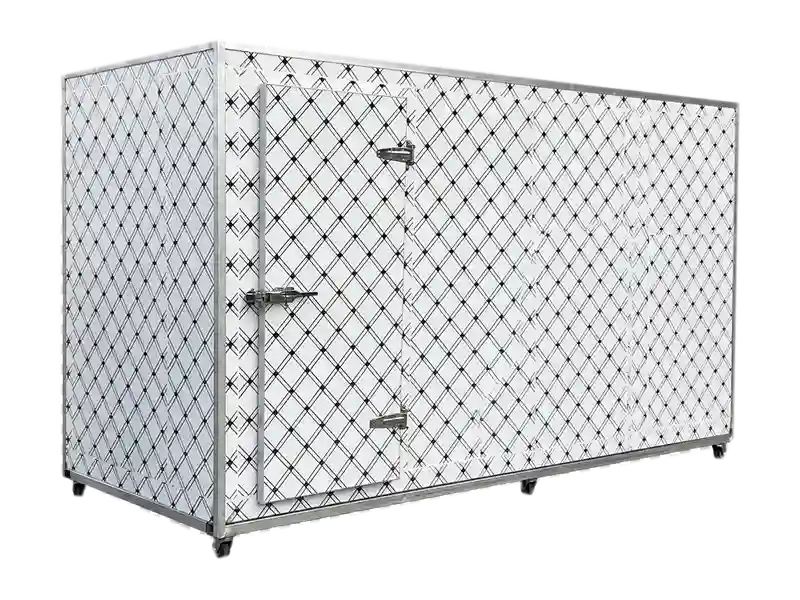
Regulatory inspectors examine not just temperatures, but the entire quality system. Proper documentation demonstrates that the facility was designed, installed, and operated in accordance with approved specifications.
Installation Qualification (IQ) verifies that equipment is installed correctly. Operational Qualification (OQ) tests performance under normal and extreme conditions. Performance Qualification (PQ) demonstrates that the cold storage consistently maintains conditions over a defined period (e.g., 72 hours) including door openings and power loss scenarios.
Written SOPs must cover: temperature monitoring, alarm response, maintenance schedules, cleaning procedures, and handling of temperature excursions. All SOPs should be reviewed annually and updated after any change in equipment or processes.
Maintain a centralized repository for all compliance documents: calibration certificates, temperature logs, deviation reports, corrective action records, and training files. Conduct internal audits quarterly and mock inspections before regulatory visits. The goal is to demonstrate a culture of quality, not just a paper trail.
With over a decade of expertise in designing and manufacturing temperature-controlled environments, TZY Kitchenware provides end-to-end solutions tailored to food and pharma requirements. Our cold room panels are manufactured with CFC-free polyurethane foam, achieving thermal conductivity ≤0.022 W/mK and meeting Class A fire resistance. All panel joints employ cam-lock systems that ensure airtight assembly without gaps—critical for maintaining temperature uniformity and preventing cross-contamination.
TZY Kitchenware offers integrated monitoring options: our BMS-ready cold rooms can incorporate wireless temperature sensors with data loggers compliant with 21 CFR Part 11. We also provide consultation on IQ/OQ documentation packages to accelerate your validation process. Our team of compliance specialists works closely with your quality department to ensure every detail—from door gasket material to drainage slope—aligns with your specific regulatory environment.
For existing facilities, TZY Kitchenware performs temperature mapping studies using calibrated logging equipment, identifying improvement opportunities and generating reports that satisfy audit requirements. We also offer retrofit solutions: upgrading doors, installing alarm systems, and adding insulation to underperforming rooms.
By partnering with TZY Kitchenware, you gain not just a supplier but a compliance partner who understands that cold storage integrity is a continuous process, not a one-time installation. Our commitment to quality craftsmanship and regulatory expertise has made us the preferred choice for cold storage solutions across the food and pharmaceutical sectors.
Cold storage compliance is a multi-layered challenge that touches every aspect of facility design, operation, and documentation. Temperature control, monitoring systems, material selection, and rigorous validation are not optional—they are the foundation of product safety and regulatory approval. By investing in compliant infrastructure and partnering with experienced providers like TZY Kitchenware, organizations can reduce risk, avoid costly recalls, and maintain the trust of customers and regulators alike. Start by auditing your current cold storage practices against the standards outlined here, and take proactive steps to close any gaps. Your products—and your reputation—depend on it.
Cold Storage Fire Safety: Essential Systems for Low-Temperature Warehouses
2026-09-28How Humidifiers Improve Cold Storage Freshness: Myths vs. Facts
2026-09-21Maximizing Pallet Density in Cold Storage Without Compromising Airflow
2026-09-14Cold Storage Lifecycle: When to Repair vs. Replace Aging Coolers
2026-09-07Address: China · Shandong Province · Binzhou Detailed Address
Email: tzy@tzykitchenware.com
Phone: +8618754395173

Kitchen equipment
High-performance quality kitchen equipment supplier
Innovative and durable kitchen solutions for chefs and foodservice businesses


Call / Email
+8618754395173
tzy@tzykitchenware.com
Visit Our Office
China · Shandong Province · Binzhou Detailed Address


