When it comes to preserving perishable goods, the choice between cold storage and freezer storage is more than a simple temperature preference. Each system serves distinct roles in food safety, freshness retention, and operational efficiency. Understanding the technical differences—from humidity control to airflow dynamics—can significantly impact product quality, energy consumption, and overall cost. Whether you are equipping a commercial kitchen, a grocery store, or a pharmaceutical facility, selecting the correct storage environment is a critical decision. This article provides a comprehensive comparison of cold storage vs. freezer storage, outlining key distinctions and guiding you toward the most suitable solution for your application. As a trusted partner in commercial refrigeration, TZY Kitchenware offers specialized units designed to optimize performance for both settings.
Cold storage, commonly referred to as a cold room or walk-in cooler, maintains temperatures typically between 2°C and 8°C (35°F – 46°F). It is designed to slow down microbial growth without freezing contents, preserving freshness for days to weeks. Freezer storage, by contrast, operates at temperatures at or below -18°C (0°F), halting bacterial activity and enabling long-term preservation—months to years—by converting water into ice crystals.
The primary function of cold storage is to keep items chilled but not frozen, making it ideal for dairy, fresh produce, beverages, and prepared foods awaiting service. Freezer storage is reserved for items requiring frozen preservation, such as meats, seafood, ice cream, and frozen vegetables. While both rely on similar refrigeration principles, the compressor, evaporator, and insulation specifications differ significantly to achieve and maintain respective temperature ranges.
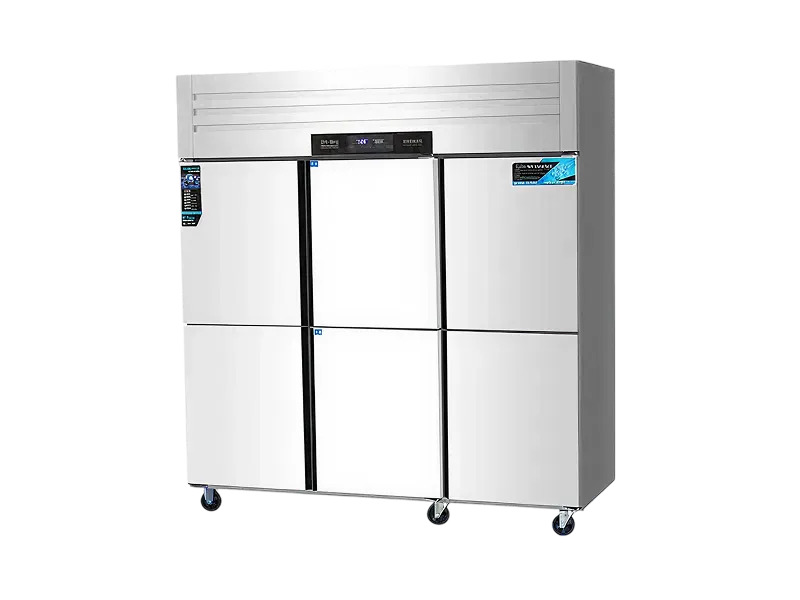
To make an informed choice, evaluate the following critical factors. The table below highlights the core distinctions:
Beyond basic parameters, the choice of refrigerant, compressor type (reciprocating vs. scroll), and defrost cycle (electric vs. hot gas) also differ. Cold rooms generally use medium-temperature refrigeration systems, while freezers require low-temperature systems with robust defrost mechanisms to manage ice buildup. TZY Kitchenware’s product line includes both media-temp and low-temp condensing units, ensuring optimal performance for each application.
Cold storage excels in environments where short-term freshness is paramount. Common use cases include:
Freezer storage is essential for long-term preservation and bulk storage. Key sectors include:
While each application has distinct requirements, TZY Kitchenware offers customizable solutions—from modular cold rooms to blast freezers—tailored to specific temperature and capacity needs.
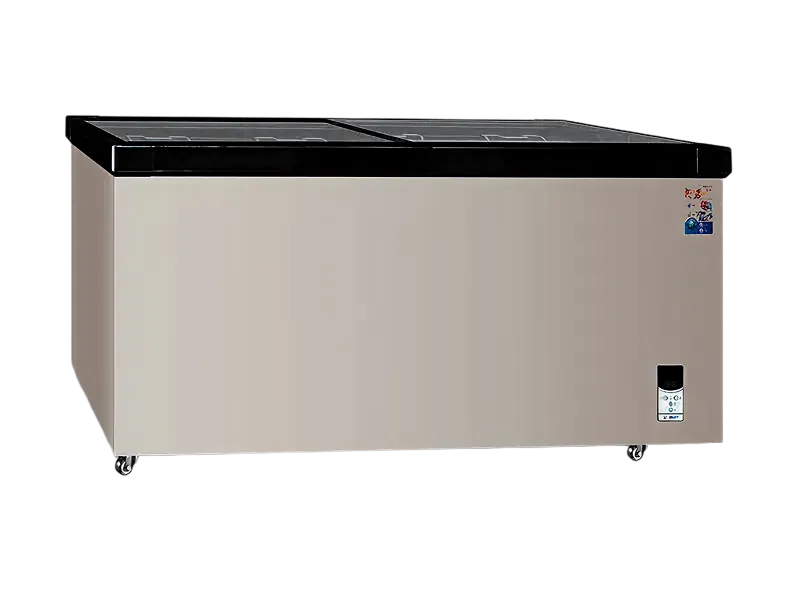
Selection hinges on your product type, turnover rate, and operational budget. Consider the following decision framework:
TZY Kitchenware’s engineering team assists clients in conducting cold load calculations and selecting the appropriate refrigeration package, ensuring both performance and energy efficiency.
With over a decade of specialization in commercial refrigeration, TZY Kitchenware provides durable, energy-efficient units crafted from high-grade stainless steel and polyurethane insulation. Our product range includes:
We also offer comprehensive after-sales support, including remote monitoring, spare parts, and warranty coverage. Whether you need a single cold room for a small bakery or a fleet of freezers for a distribution center, TZY Kitchenware delivers reliability and performance.
In summary, the choice between cold storage and freezer storage ultimately depends on your product handling requirements, operational rhythm, and long-term goals. By evaluating temperature needs, humidity, insulation, and access patterns, you can select the optimal environment. For enterprises seeking professional-grade equipment, TZY Kitchenware provides tailored solutions that balance efficiency, durability, and cost. Consult with our experts today to design a refrigeration system that fits your exact specifications.
Cold Storage vs. Freezer Storage: Key Differences and Best Uses
2026-06-15How to Choose the Right Cold Storage Size for Your Growing Business
2026-06-0810 Ways Cold Storage Cuts Energy Costs Without Sacrificing Temperature
2026-06-01CO₂ vs Ammonia Refrigeration Systems for Large-Scale Cold Storage: A Practical Engineering Comparison
2026-05-28Address: China · Shandong Province · Binzhou Detailed Address
Email: tzy@tzykitchenware.com
Phone: +8618754395173

Kitchen equipment
High-performance quality kitchen equipment supplier
Innovative and durable kitchen solutions for chefs and foodservice businesses


Call / Email
+8618754395173
tzy@tzykitchenware.com
Visit Our Office
China · Shandong Province · Binzhou Detailed Address
