Frost accumulation in cold storage facilities is more than an inconvenience—it reduces energy efficiency, compromises product quality, and leads to costly defrost cycles. For operators managing walk-in freezers, blast chillers, or large refrigerated warehouses, preventing ice buildup is essential for maintaining consistent temperatures and extending equipment life. Drawing on decades of industry experience, TZY Kitchenware shares evidence-based strategies that help commercial kitchens and cold storage operators minimize frost formation without sacrificing performance.
Before implementing solutions, it is critical to identify why frost forms. Frost occurs when warm, moist air enters a cold environment and condenses on cold surfaces, then freezes. Key contributors include:
Addressing these root causes requires both behavioral changes and equipment upgrades. TZY Kitchenware emphasizes that a proactive approach—rather than reactive scraping—saves thousands of dollars in energy waste annually.
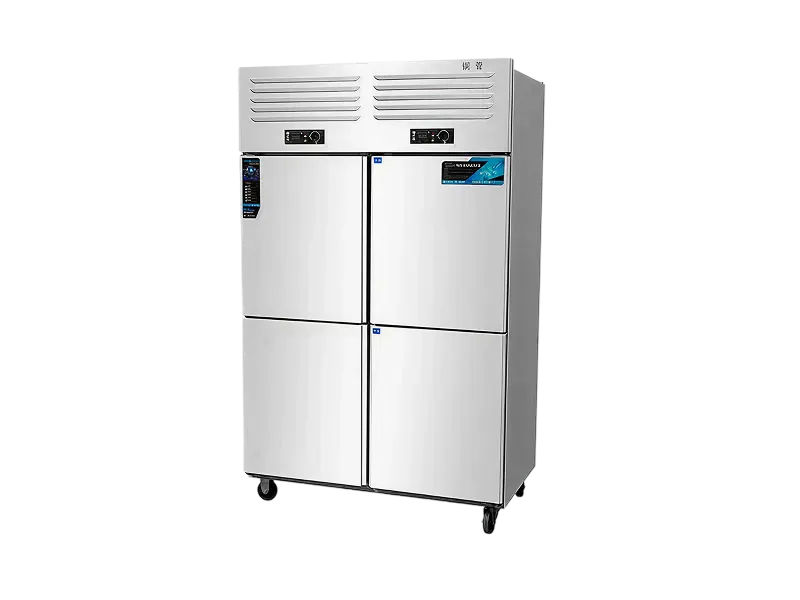
Implementing simple daily protocols can significantly reduce frost without capital investment. The following practices are recommended by facility managers and refrigeration engineers:
These measures, when applied consistently, can reduce frost formation by up to 40%, according to field studies conducted in commercial kitchens using TZY Kitchenware's cold storage systems.
When operational adjustments are insufficient, facility managers should evaluate hardware upgrades. Modern refrigeration technology offers several effective countermeasures:
Traditional defrost timers activate at fixed intervals regardless of actual frost buildup—a wasteful approach. Electronic demand-defrost controllers measure coil temperature and pressure differentials to initiate defrost only when necessary. This intelligent logic reduces defrost frequency by 30–50%, cutting energy consumption and maintaining stable storage temperatures.
Instead of electric heaters, some systems redirect hot refrigerant gas directly into the evaporator coil during defrost. This method is faster (typically 5–8 minutes vs. 15–20 minutes for electric), transfers more heat into the coil, and leaves less residual moisture. For facilities with multiple evaporators, installing hot gas bypass valves can deliver substantial energy savings.
Recent advancements in surface treatment include hydrophobic and hydrophilic coatings applied to evaporator fins and cabinet interiors. Hydrophobic coatings repel water droplets, while hydrophilic coatings spread them into a thin film that evaporates quickly. TZY Kitchenware offers custom-coated evaporator coils as part of their cold storage upgrade packages, tested to reduce frost adherence by 60% under high-humidity conditions.
A systematic preventive maintenance program ensures that systems remain frost-free throughout their lifespan. Create a schedule around these critical checkpoints:
Following this checklist helps facilities avoid emergency breakdowns. TZY Kitchenware reports that clients who adhere to such schedules experience 70% fewer unscheduled defrost events compared to those with reactive maintenance protocols.
Q: How often should a cold storage room defrost?
A: It depends on usage, humidity, and system size. Medium-temperature rooms may defrost 2–4 times per day; low-temperature freezers can require 4–8 times. We recommend using a demand-defrost controller to optimize timing rather than a fixed schedule.
Q: Can frost damage stored products?
A: Yes. Excessive frost increases humidity fluctuations, causing freezer burn, dehydration, and textural changes in food products. It also reduces the cooling capacity of the system, leading to temperature abuse.
Q: Is it better to scrape frost manually or use automatic defrost?
A: Manual scraping should only be used in extreme emergencies because it can damage coil fins and coatings. A properly maintained automatic system is safer and more energy-efficient.
Q: What is the ideal relative humidity inside a cold storage room?
A: For most applications, 75–85% relative humidity is optimal. Lower humidity accelerates moisture loss from products; higher humidity promotes frost growth. Use a humidistat to monitor and adjust if necessary.
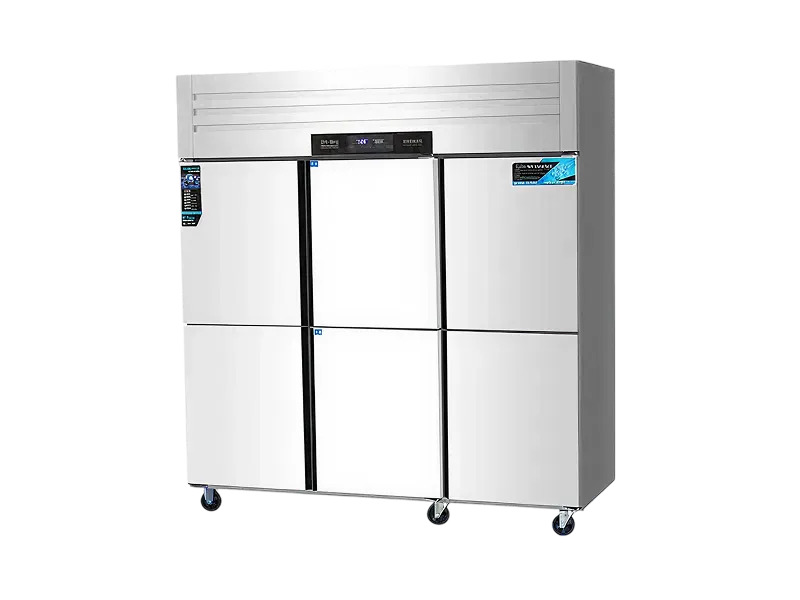
Preventing frost buildup in cold storage is achievable through a combination of disciplined operations, regular maintenance, and strategic technology choices. By addressing air infiltration, controlling moisture, optimizing airflow, and upgrading to intelligent defrost controls, facilities can maintain consistent temperatures, reduce energy costs, and preserve product integrity. As industry experts with decades of experience, TZY Kitchenware recommends starting with a comprehensive audit of door seals and airflow patterns—often the quickest wins—and then evaluating long-term solutions such as demand-defrost controllers or anti-frost coatings. With the right approach, frost becomes a manageable nuisance rather than a chronic problem.
How to Prevent Frost Buildup in Cold Storage: Tips from Industry Experts
2026-08-10Emergency Cold Storage: Backup Plans for Power Outages and Equipment Failure
2026-07-27Cold Storage ROI: How Proper Insulation Pays for Itself in Two Years
2026-07-20Reduce Spoilage by 40% with Smart Cold Storage Monitoring Systems
2026-07-13Address: China · Shandong Province · Binzhou Detailed Address
Email: tzy@tzykitchenware.com
Phone: +8618754395173

Kitchen equipment
High-performance quality kitchen equipment supplier
Innovative and durable kitchen solutions for chefs and foodservice businesses


Call / Email
+8618754395173
tzy@tzykitchenware.com
Visit Our Office
China · Shandong Province · Binzhou Detailed Address
